Breakdown: Brian Shin, the Founder Who Built a $20K/Month App in 83 Days
Brian Shin refused to write real code until 10 event hosts committed to using Once. That discipline took the disposable camera app to about $22K a month in 83 days.

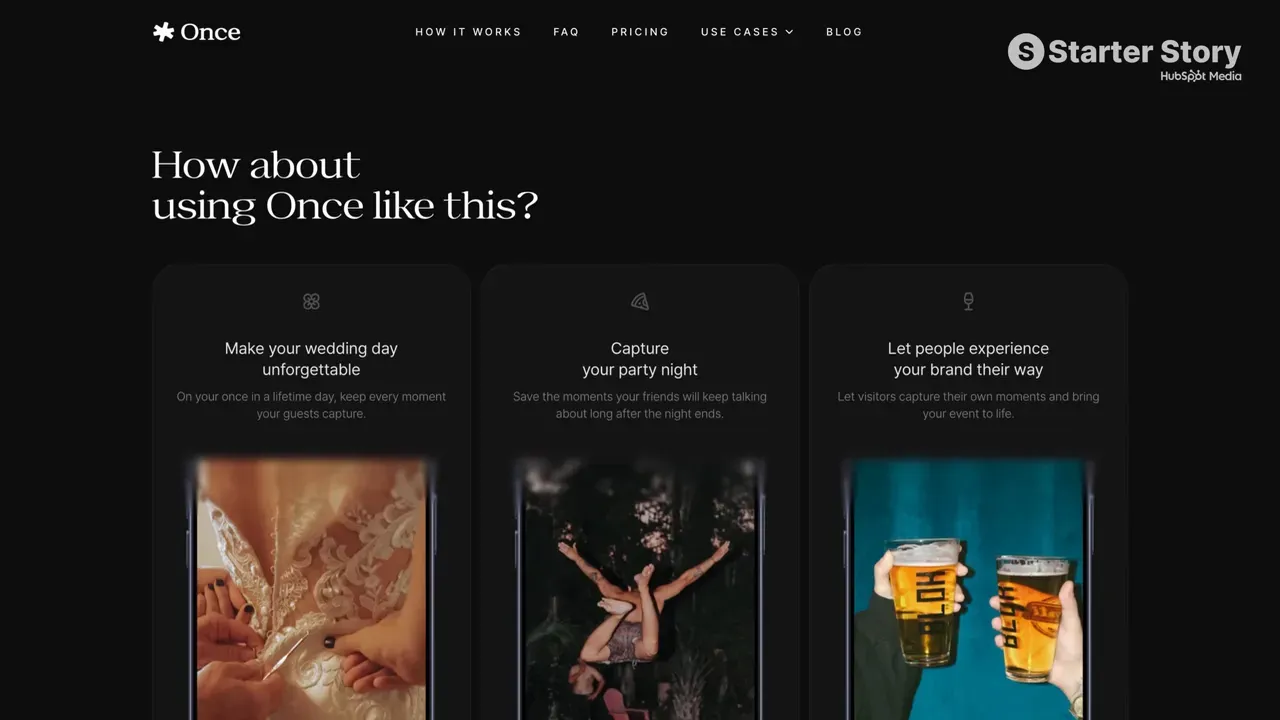
Table of Contents
- 😵 Why This Matters More Than Another “Just Build It” Story
- 👋 The Setup: What Brian Built and Who It’s For
- 🧠 Brian’s Background: Why He Didn’t Want Another Venture-Backed Grind
- 📸 Where the App Idea Came From
- 🛠️ How They Built It Without Getting Lost in Build Mode
- 🎯 The Commitment Metric: The Smartest Part of the Whole Story
- 📬 The Validation Playbook Brian Would Use Again
- 📱 How the App Actually Works
- 🚀 Why This Worked So Fast
- 🧱 Real Talk on AI, Validation, and the Stuff Builders Avoid
- 🧭 Brian’s Advice to Founders: Stop Overthinking and Launch
- 🤖 What Solo Builders Can Steal From This for Their Own Launch
- ❓FAQ
- 🧩 The Takeaway
😵 Why This Matters More Than Another “Just Build It” Story
Most app stories are boring in the same expensive way. Someone gets an idea, disappears into a cave with AI tools, ships a polished thing nobody asked for, then acts surprised when growth does not arrive riding a unicorn.
Brian Shin did something much smarter. Before building the real version of Once, a disposable camera app for events, he set a hard validation target and refused to write code until he hit it. That one move helped him and his co-founder grow the app to more than $20,000 in monthly revenue within 83 days.
That makes this story useful for anyone trying to build a consumer app, validate an idea fast, or create an AI-powered launch system for creators without using AI as an excuse to avoid talking to actual humans.
The product is interesting. The validation method is the real gold.
👋 The Setup: What Brian Built and Who It’s For
What is Once, exactly?
Brian explained that Once is a disposable camera app designed for events like weddings, birthday parties, networking events, and even corporate gatherings. The idea is simple: a host creates a shared “film,” invites guests, and everyone takes photos into one collective album.
The twist is that it mimics the old disposable camera experience. Photos can be hidden until a reveal date. Shot counts can be limited. The whole thing feels less like another camera roll and more like a shared event artifact.
Who uses it?
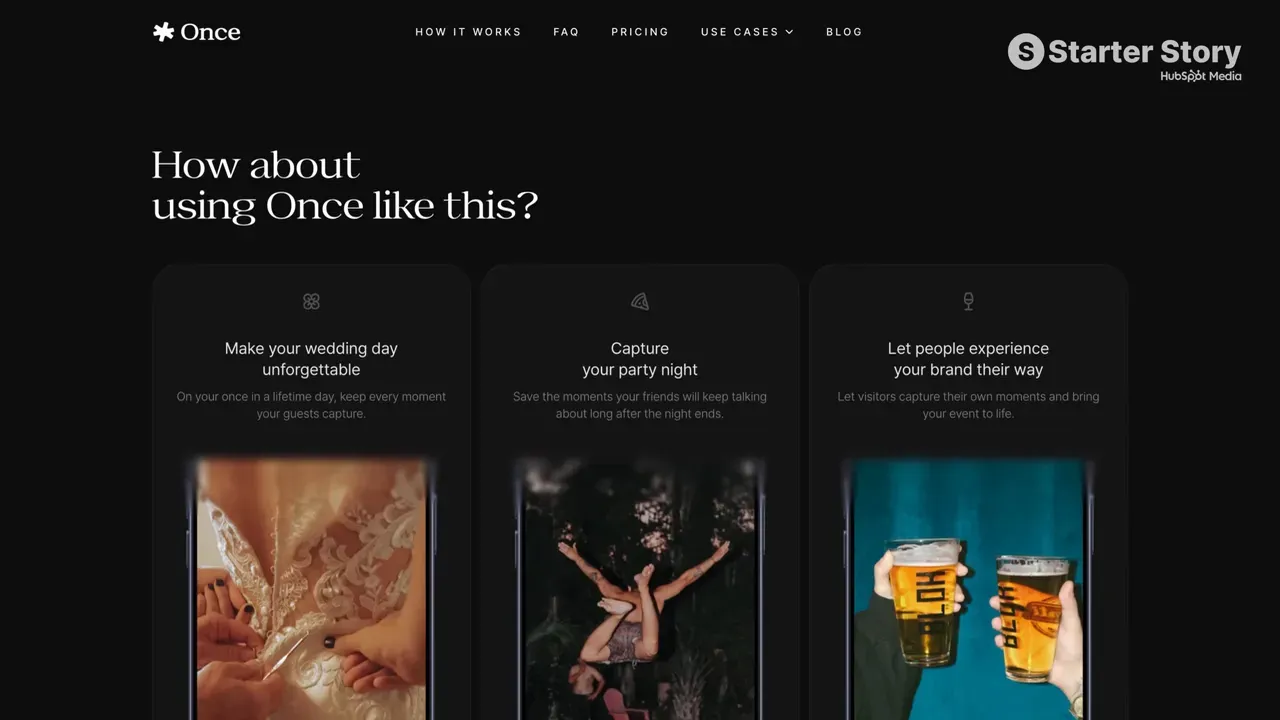
The app is built for group events where candid moments matter more than polished photography. Weddings are a natural fit, but the broader use case is any situation where a bunch of people are in one place making memories and somebody wants all the chaotic, funny, unposed photos in one place.
How does the business model work?
Pricing is based on the number of guests invited to the event.
- Small event with around 10 guests: about $2
- Larger wedding with 150 guests: about $50
So it scales with usage. More guests means a higher tier. Clean, understandable pricing. No weird gymnastics.
Was the traction real?
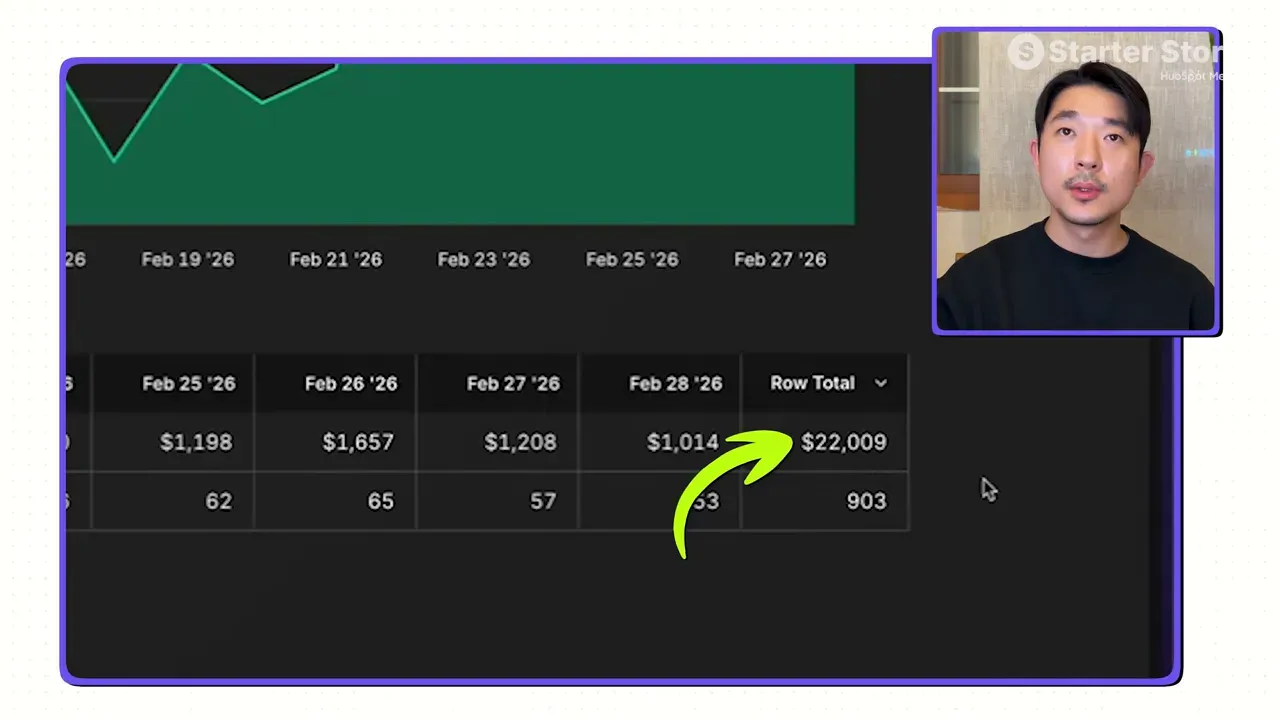
Yes. Brian shared that in roughly three months, the app reached around 10,000 to 12,000 weekly active users and about $22,000 in monthly revenue. He also showed an internal event dashboard with hundreds of upcoming scheduled events, including more than 300 events in February and around 700 lined up for March.
🧠 Brian’s Background: Why He Didn’t Want Another Venture-Backed Grind
What was Brian doing before Once?
Before starting this company, Brian had already co-founded a venture-backed B2B startup. That business was very different. Bigger team, heavier sales motion, faster-growth pressure, the whole classic startup package.
That experience taught him how serious companies operate, but it also pushed him toward a different model. He discovered the bootstrap and indie hacker world and liked the idea of making smaller, safer bets instead of building another machine that consumes your calendar and maybe your soul.
Why go bootstrap this time?
He wanted control. That was the core reason. He and his co-founder, who is also his girlfriend, decided to build Once as a fully bootstrapped business.
No giant team. No performative scale theater. Just a product, real demand, and enough discipline to avoid building too early.
📸 Where the App Idea Came From
How did they come up with the idea?
The idea came from real life, which is usually where the decent ones come from. Brian and his girlfriend had traveled through seven or eight countries and kept bringing disposable cameras with them.
He loved the limitations:
- You cannot immediately see the photo
- You only get a limited number of shots
- The experience feels more intentional
- The delayed reveal adds surprise and emotion
Instead of treating those constraints as flaws, they treated them as the product. Once was built to digitally recreate that feeling.
That is a useful reminder for builders: sometimes the value is not in adding more features. Sometimes the value is in preserving the thing modern apps accidentally removed.
🛠️ How They Built It Without Getting Lost in Build Mode
How long did the first version take?
The first version took around one to two weeks, and it was not even the final app. It was a web app with just enough functionality to test the core experience.
They built it for a friend’s Halloween party, printed invitation codes, and let people join and take photos together.
It broke multiple times during the event.
Which, honestly, is almost reassuring. The early product was messy, but it still answered the only question that mattered: Do people actually want this behavior?
What did they learn from that scrappy version?
They learned that people loved contributing photos into one shared album inside an experience that felt like a disposable camera. It did not need to be perfect. It just needed to prove the interaction was compelling.
That distinction matters. Too many founders confuse “working software” with “validated demand.” Brian treated the first build as a probe, not a masterpiece.
Did AI build the app?
Sort of, but not in the lazy “AI did everything” sense.
Brian said he uses a lot of AI for development, finance, and general work. But for design, they deliberately did not use AI. His view was simple: consumer app design is craft. It requires taste. The more opinionated the design, the better the result can be.
That is a useful line in the sand for anyone trying to launch with AI tools. AI can speed up production. It still does not replace judgment.
What was the tech stack?
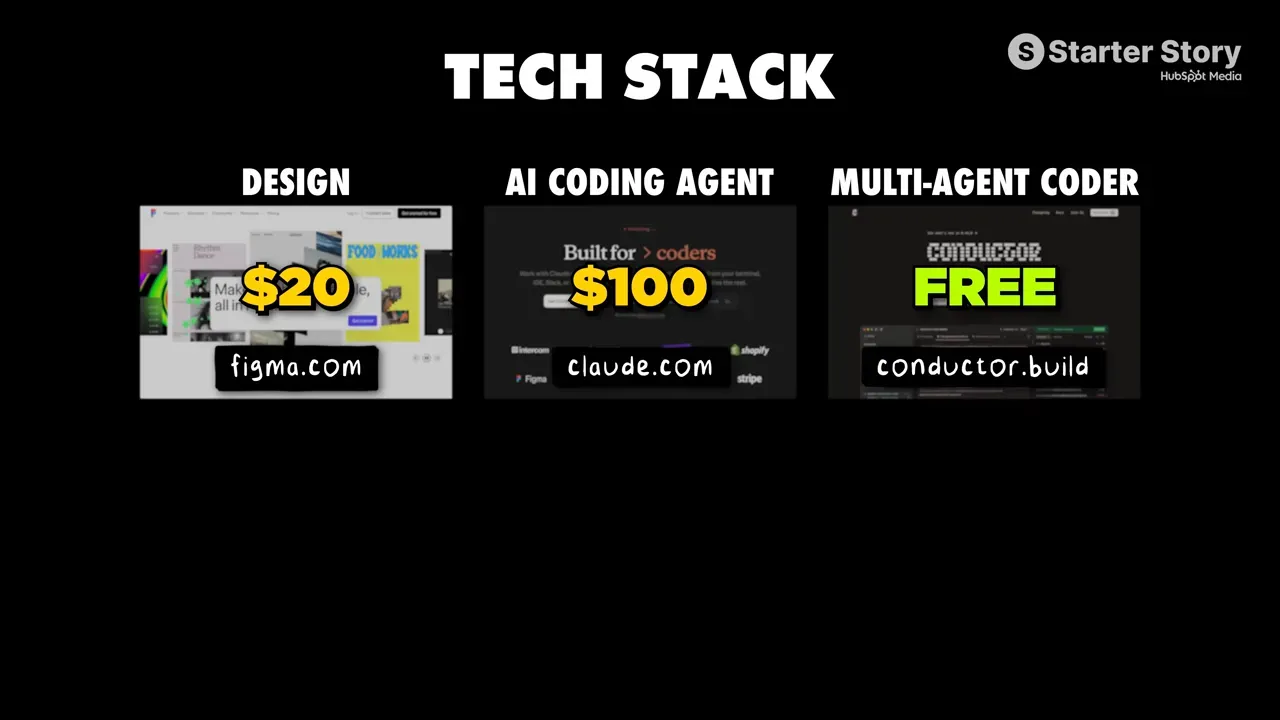
Their stack was lean:
- Figma for design
- Claude Code for development workflows
- Conductor to run several Claude Code instances across different worktrees
- Supabase for database and backend
- Vercel for the web app and web-related product pieces
It is the kind of lean setup solo builders love, even though this was built by two founders. Nothing bloated. Nothing enterprise-y. Just the tools needed to move quickly.
🎯 The Commitment Metric: The Smartest Part of the Whole Story
What is the commitment metric?
This was Brian’s core framework, and it is worth stealing.
Instead of validating with likes, compliments, fake enthusiasm, or “I’d totally use that,” he defined a commitment metric. In other words: what action would count as meaningful proof that the idea had real demand?
He split commitment into two parts:
- Commitment from the founder: set a specific date and target number before building
- Commitment from the customer: identify a real signal of intended use
For Once, payment was not the only useful validation signal. Their version of commitment was event hosts agreeing to use the product at a real event on a real date.
That matters because people are much more honest when there is actual social risk attached. Saying “sure, cool idea” is free. Using it at a wedding is not.
What number did Brian set?
Before writing a single line of code for the real product, he wanted 10 committed events. Not soft interest. Not newsletter signups. Ten actual event hosts with dates who said they intended to use Once.
That was enough signal for them to go all in.
“We made sure that people committed to this product before writing a single line of code.”
📬 The Validation Playbook Brian Would Use Again
If he had to start over today, what would he do?
Brian laid out a very clean five-step process. This is basically a launch system minus the nonsense and screenshots of fake dashboards.
Step 1: Define the commitment metric
Pick the number and timeline before building. Be specific. What has to happen for the idea to earn more time?
Examples will vary by product, but the point is the same. You need a signal tied to real usage, not vague support.
Step 2: Exhaust the personal network
Brian opened three tabs: X, LinkedIn, and Instagram or Facebook. Then he manually looked through his contacts and identified people who might have relevant upcoming events.
He found four friends who were good fits:
- A Halloween party host
- A birthday party host
- A wedding host
- A networking event organizer
This is where many founders start making excuses. It feels awkward. It feels cringe. It feels easier to “just build one more feature.” Too bad. This part is the work.
Brian also emphasized the Mom Test idea. Friends and family may encourage you because they like you, not because they need the product. Validation is not emotional support in nicer clothes.
Step 3: Build a fast mockup
Don’t spend weeks here. Brian’s advice was to keep it to two to three days. Use Figma, use AI tools, use whatever helps you make something presentable fast.
Not polished. Not scalable. Just clear enough to show what the product does.
Step 4: Go where your users already are
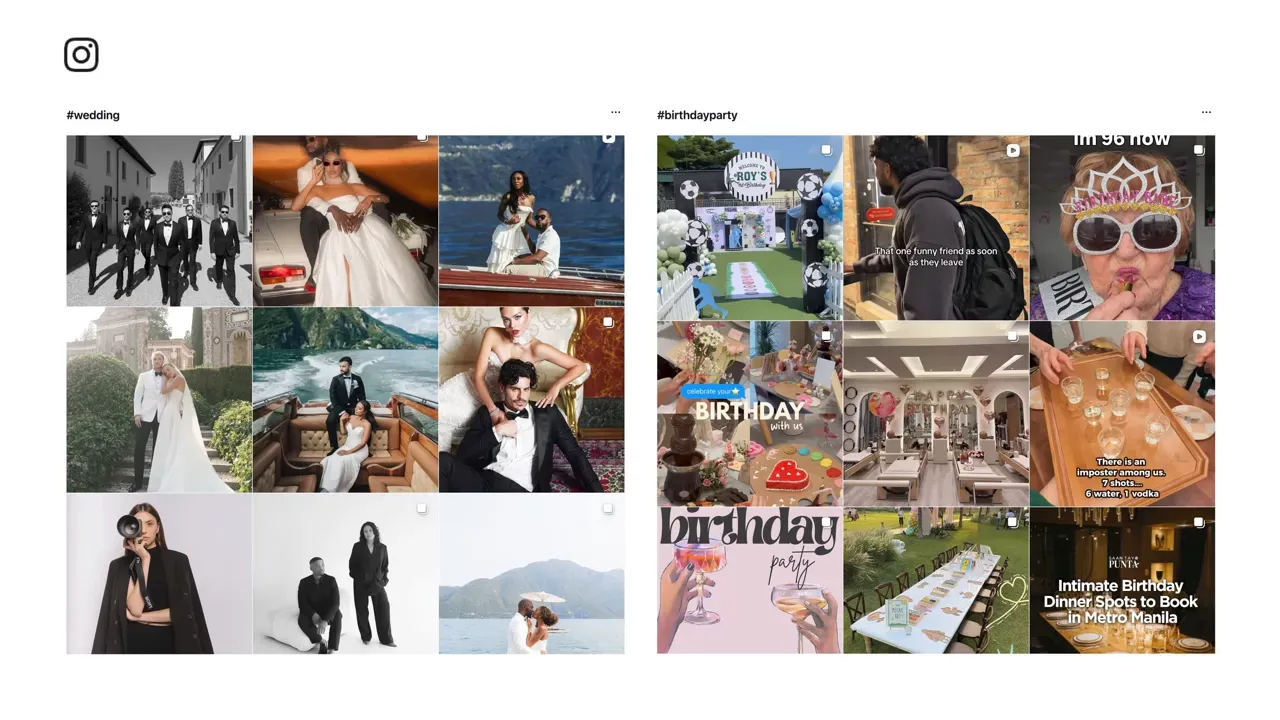
Once they moved beyond their immediate network, Brian searched platforms where event hosts already lived. In his case, Instagram hashtags like:
- #wedding
- #birthdayparty
He built a list of around 250 to 300 potential users and sent a short cold message, only two or three sentences long.
Out of that outreach:
- Around 15 people replied
- Around 12 events were booked for that month
That was enough to prove market potential.
Step 5: Don’t build until the number is hit
This is the restraint part, and it is probably the hardest piece of the whole method. Once the commitment metric is defined, the rule is simple: do not start building for real until you hit it.
That one rule protects founders from a lot of self-inflicted nonsense.
Especially now, when no-code startup tools and AI coding assistants make it possible to generate a product in an afternoon and a useless one by dinner.
📱 How the App Actually Works
What does the user flow look like?
Brian described Once as intentionally simple.
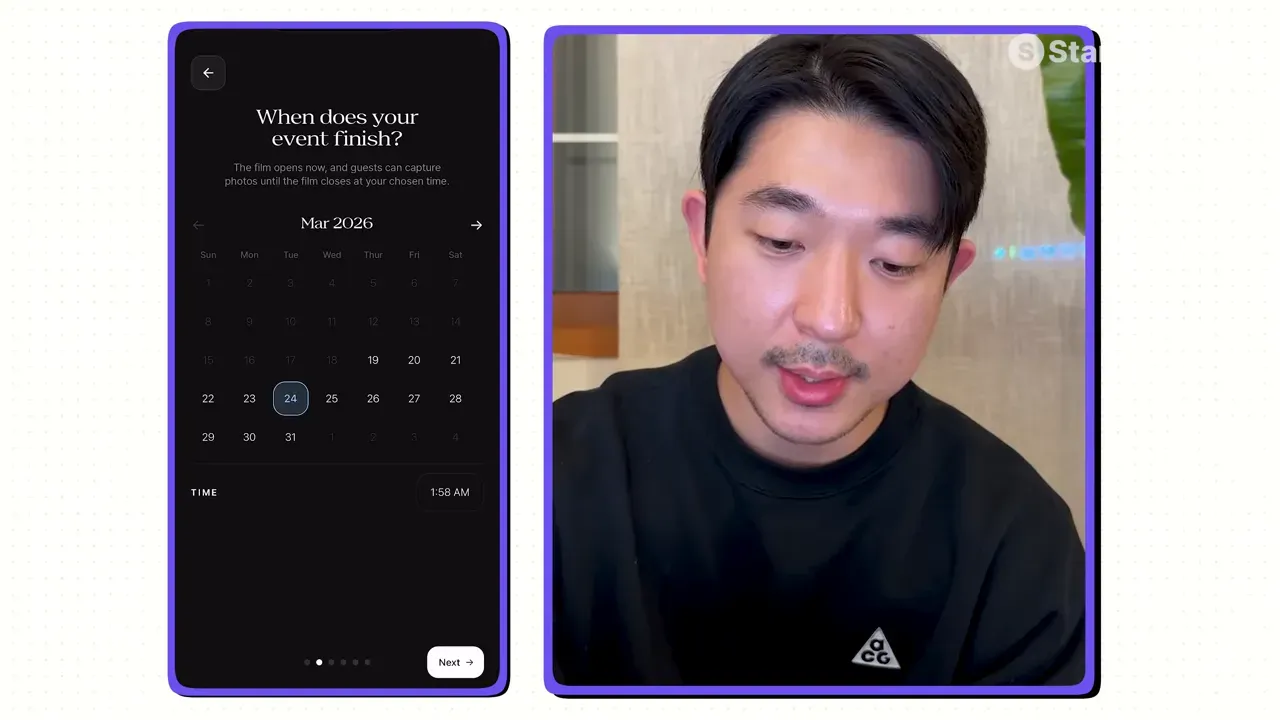
A host creates a new “film” and configures the event:
- Name the film
- Set the end date
- Choose when photos are revealed
- Select filters
- Customize the invitation card
- Set participant count
- Set shots per person
Once the film is created, guests can start taking photos. Those images are stored into a shared album, and depending on the settings, they are either revealed later or immediately.
The delayed reveal is what gives the product its emotional texture. It turns a photo app into an event experience.
🚀 Why This Worked So Fast
Was this just a good idea, or was there something more?
The idea is good, but the speed came from a few disciplined choices:
- They validated behavior, not opinions
- They tested with real events, which added urgency
- They used a lightweight build process
- They kept the product dead simple
- They designed for delight, not just utility
Consumer apps are tricky because usefulness is not enough. The thing has to feel good. Brian understood that. The app was about memory, anticipation, and social sharing. Not just storage.
That is also why the concept has real organic growth potential. People already share casual event photos more than polished ones. Once fits that behavior naturally.
🧱 Real Talk on AI, Validation, and the Stuff Builders Avoid
What did Pat and Gus find most compelling?
After the interview, Pat Walls and Gus from Starter Story reflected on the part most builders tend to dodge: outreach.
AI tools have made building incredibly easy. Which sounds great until it becomes a crutch. Instead of forcing validation first, builders can now create a convincing product shell in an hour and use that speed to avoid the uncomfortable part, which is asking people if they care.
That is why Brian’s system feels so relevant right now. In a world where anyone can build anything quickly, the hard part has shifted.
The moat is not just code. It is judgment, taste, and the willingness to chase real demand before getting attached to a build.
🧭 Brian’s Advice to Founders: Stop Overthinking and Launch
What would Brian tell his younger self?
Stop overthinking.
That was the short version.
He said he used to spend too much time worrying about marketing, sales, and all the abstract questions that show up before anything exists. But for getting from zero to one, that is often the wrong place to spend energy.
His advice was blunt and practical:
- Talk to more users
- Build the first version in one or two weeks max
- Launch
- Let reality reshape the idea
Because once people start using the thing, they may reveal a completely different problem than the one you thought you were solving.
Which is annoying, yes. But much less annoying than spending six months building the wrong product beautifully.
🤖 What Solo Builders Can Steal From This for Their Own Launch
Even if someone is not building an event photo app, Brian’s playbook transfers well.
For anyone designing an AI-assisted launch, a simple funnel, or any lightweight product for a niche audience, the same structure applies:
- Define a commitment metric before building
- Find the first likely users manually
- Create a mockup fast
- Do direct outreach where the audience already spends time
- Use real commitment as the trigger to invest more
That is a much healthier way to launch anything built with AI. Use AI for speed, not self-deception.
🧰 Build This Stack
The stack mattered less than the validation, but here is what it looks like, one tool per job. The first three are what Brian and his co-founder actually used:
- Figma for design and the quick mockup you show to early event hosts, which is how Once was designed
- Claude Code with Conductor for development, running several coding agents across worktrees, the workflow Brian described
- Supabase and Vercel for the database, backend, and web app, the infrastructure Once runs on
- Lovable for a scrappy first web version if you do not code (a solid alternative; Brian built with Claude Code)
- Framer for a simple page that explains the product while you collect commitments (a solid alternative, not part of Once’s stack)
Some tools above may be affiliate links — we only list tools that fit the build.
❓FAQ
What is Once?
Once is a disposable camera app for events like weddings, birthday parties, networking events, and corporate gatherings. It lets a host create a shared film, invite guests, and collect candid photos into one album.
How much revenue did Once make in its first few months?
Brian shared that Once reached roughly $22,000 in monthly revenue within 83 days of launch.
What is a commitment metric?
A commitment metric is a real-world signal that shows people are serious about using a product. For Once, it was event hosts committing to use the app at actual upcoming events, not just saying the idea sounded good.
How did Brian validate the app before building it?
He first reached out through his own network to find people with upcoming events. Then he did cold outreach on platforms like Instagram using event-related hashtags. He aimed to secure 10 committed events before building the real product.
What tools did Brian use to build Once?
The team used Figma for design, Claude Code for development, Conductor for running multiple coding instances, Supabase for backend and database, and Vercel for the web app.
Did AI design the app?
No. Brian said they used AI heavily for development and other workflows, but not for design. He believed consumer app design requires taste and strong opinions, which they handled manually.
What is the biggest takeaway for founders?
Do not build first just because AI makes it easy. Define a meaningful validation target, get real commitments from potential users, and launch quickly once demand is clear.
What tools do you need to build and validate a consumer event app like Once?
Once was designed in Figma, built with Claude Code and Conductor, and runs on Supabase and Vercel. If you do not code, an AI app builder can get a test version in front of people, and a no-code website builder gives you a page to share during outreach. The tools only matter after you hit your commitment metric, though, which for Once was 10 real events booked before the real build.
🧩 The Takeaway
Brian Shin did not build a $20K/month app in 83 days by moving recklessly. He did it by being unusually disciplined at the start.
He found a simple idea with emotional pull. He validated it with real commitments. He built a scrappy version quickly. Then he refined the product only after demand showed up.
That is the part worth copying.
Not the disposable camera angle. Not the exact stack. Not even the category.
The part to steal is the sequence.
Especially now, when AI tools can either help someone move faster or help them waste time at machine speed. Brian used the tools, but he did not let the tools decide the process.
That is probably why this worked.
This article was inspired by this amazing video I Built a $20K/Month App in 83 Days. Check out more from their awesome channel.