
Breakdown: Ivan Nedlekovski, founder of Lancer — built a $10K/Month AI Agent
An agency owner turned his internal Upwork automation into Lancer, an AI agent SaaS at $10K MRR — and found customers through connectors instead of ads. Here's the playbook.

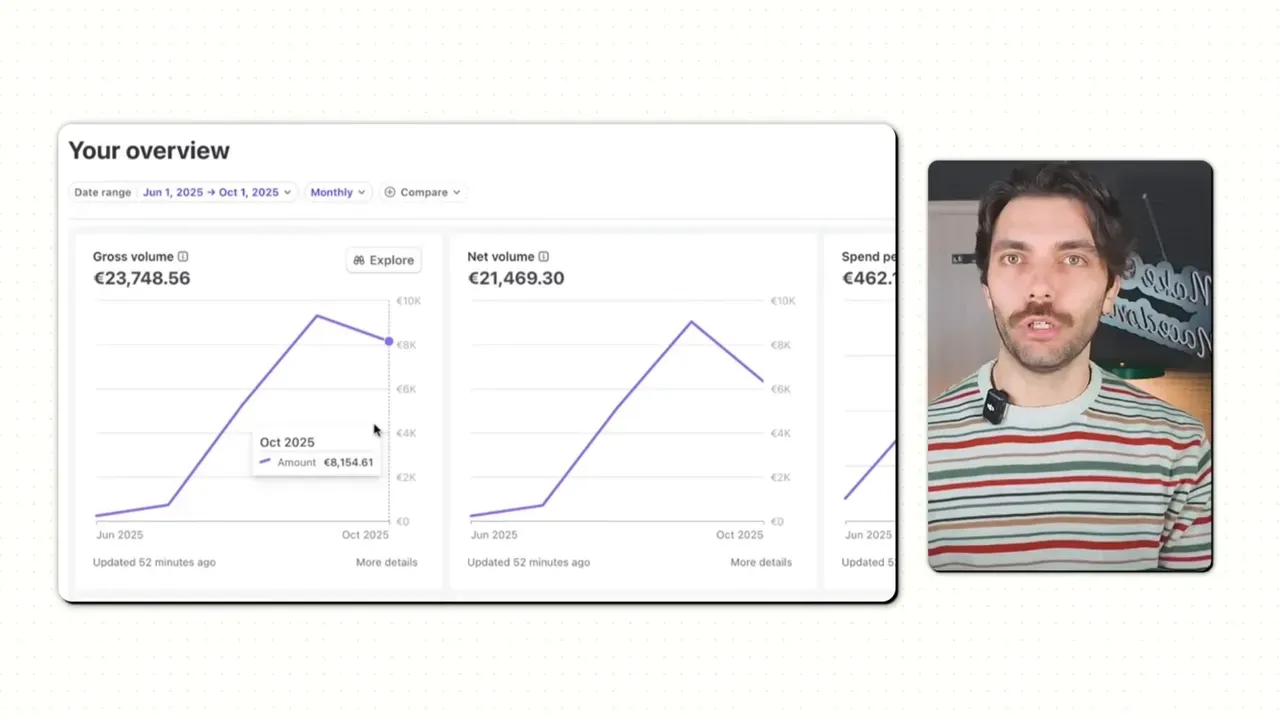
Roger Mendoza distills a simple story: an agency owner tired of the daily grind built an AI agent to automate the boring parts of selling on marketplaces and turned it into a subscription business that hit $10,000 monthly recurring revenue within months. The takeaway is not vaporware hype. It is a repeatable approach for solo builders and small teams who want an AI-powered launch system for creators that actually pays, not just a demo on a keynote slide.
Table of Contents
- 🔥 Why this matters: the real promise of AI agents
- 🧰 The setup: what Lancer is and how they priced it
- ⚙️ The build: tech choices and the minimal viable agent
- 📈 Distribution: connectors, not cold ads
- 🧭 Playbook: an executable checklist for builders
- 🛠️ Tech stack and costs
- 🔎 Demo notes and UX details
- 🧾 Real talk: what worked, what was ugly
- 🧰 Build This Stack
- ❓ FAQ
- 🔚 Final thoughts — remix this playbook
🔥 Why this matters: the real promise of AI agents
There are two common failures in the "build an AI product" script. One, founders chase fancy models and forget customers. Two, founders build to impress peers, not to remove a repetitive, painful task for a paying user. Ivan’s route avoided both traps. He focused on a repetitive workflow on an existing platform where the users are visible, measurable, and desperate for time savings.
This matters because marketplaces like Upwork, Fiverr, LinkedIn, and others host millions of micro-decisions every month. Those micro-decisions add up to hours of repetitive qualification and outreach. An AI agent that targets a specific workflow on top of those platforms converts time saved into revenue for users and predictable recurring revenue for the builder.
🧰 The setup: what Lancer is and how they priced it
Ivan built Lancer to automate three tasks freelancers and agencies hate: job discovery, job qualification, and proposal writing on Upwork. He turned what began as an internal tool into a standalone SaaS with a classic subscription model and three tiers:
- Pay-as-you-go: $79 for 30 proposals, $2 per extra proposal.
- Light plan: $300 for 250 proposals, $1.50 per extra proposal.
- Unlimited plan: launch offer at $500 per month.
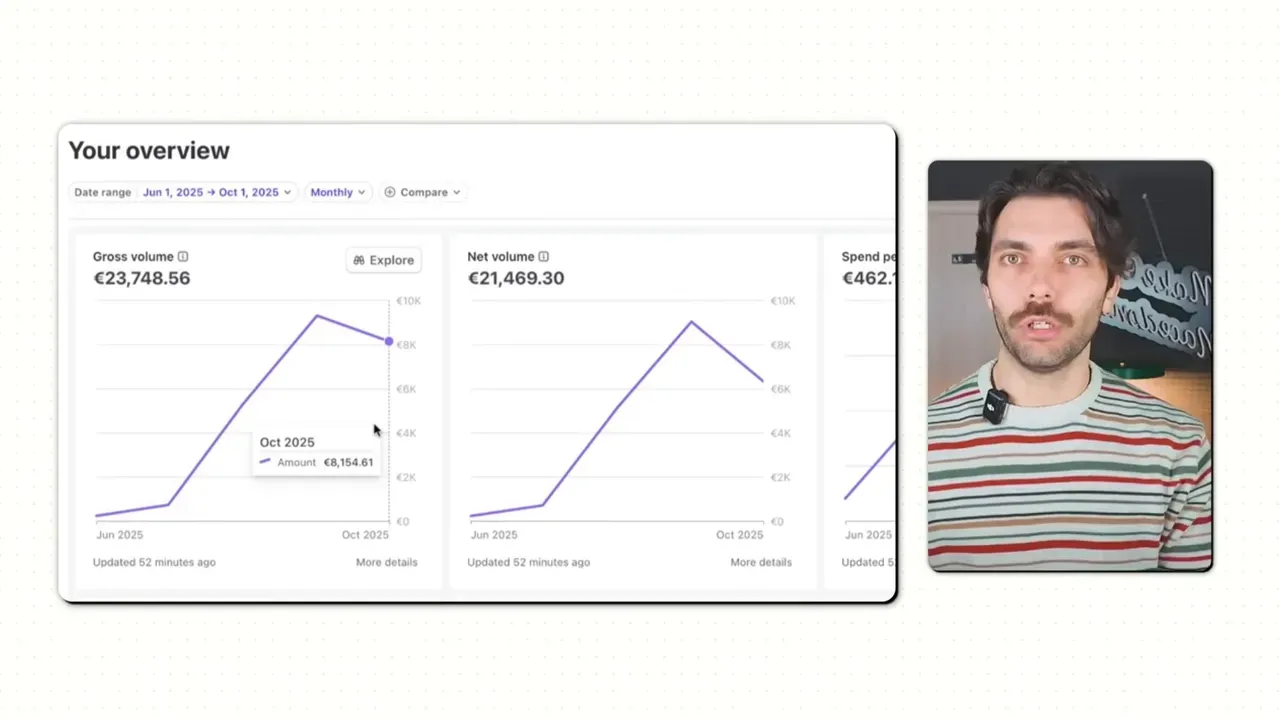
The business math is straightforward: a single agency user running high-volume campaigns is worth hundreds per month. Ivan reports that within three to four months of launching, Lancer reached about $10,000 MRR. That milestone is quieter than it sounds. It means they found a product-market fit where usage correlates with value.
Pat: Tell me about who you are, what you built and what's your story.
Ivan explains he ran a seven-figure software agency for five years, scaling to about 20 full-time staff. Upwork was a consistent channel for leads. The problem he and his team kept facing was the time sink of scanning job listings, qualifying them, and writing custom proposals. That specific, repetitive process typically took about ten minutes per job — exactly the sort of thing an AI agent can do faster and cheaper.
Pat: How did you find the idea?
He says the idea wasn't hunted. It was built for himself. Lancer began as an internal automation to reduce overhead. After an internal crash and a short beta with agency friends, those early users closed three clients worth five figures between them in two weeks. That convinced him to productize the internal tool.
⚙️ The build: tech choices and the minimal viable agent
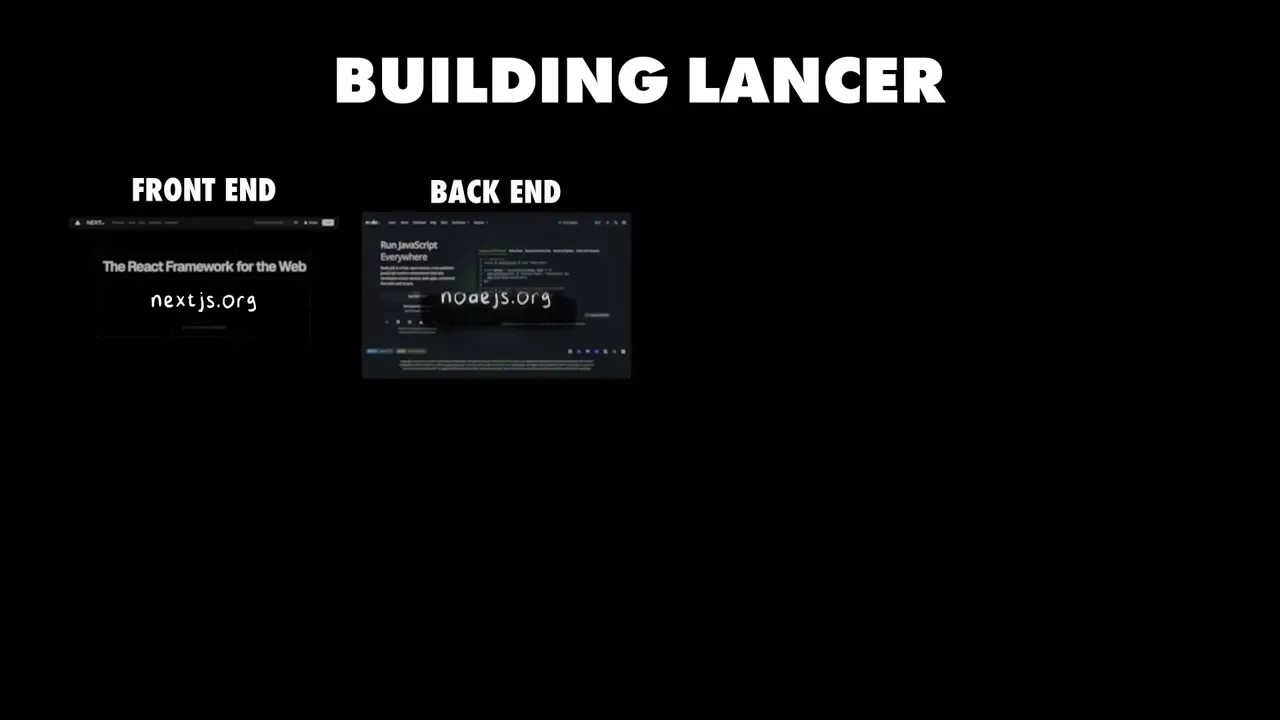
Ivan kept the stack boring on purpose. TypeScript across front and back, Next.js on the front end, Node.js on the back, Firestore for persistence and GCP for hosting. For search and query performance they used Elasticsearch. The LLM layer served two high-value functions: qualifying jobs and drafting personalized proposals.
Important design tradeoff: the LLM is a helper, not a black box decision maker. Ivan focused on mapping what the LLM needed to know from the user — a structured "knowledge base" — so the agent could write accurate and credible proposals.
Pat: How did you actually build the AI agent?
Ivan says the first prototype was thrown together in a weekend. Then an MVP took three months. They integrate LLMs through OpenRouter and use proxy providers to safely connect to Upwork accounts. The agent runs campaigns that query Upwork for jobs, filter them for stability and relevance, and generate tailored proposals based on the user's knowledge base and templates.
Pat: Can you show what it looks like for a user?
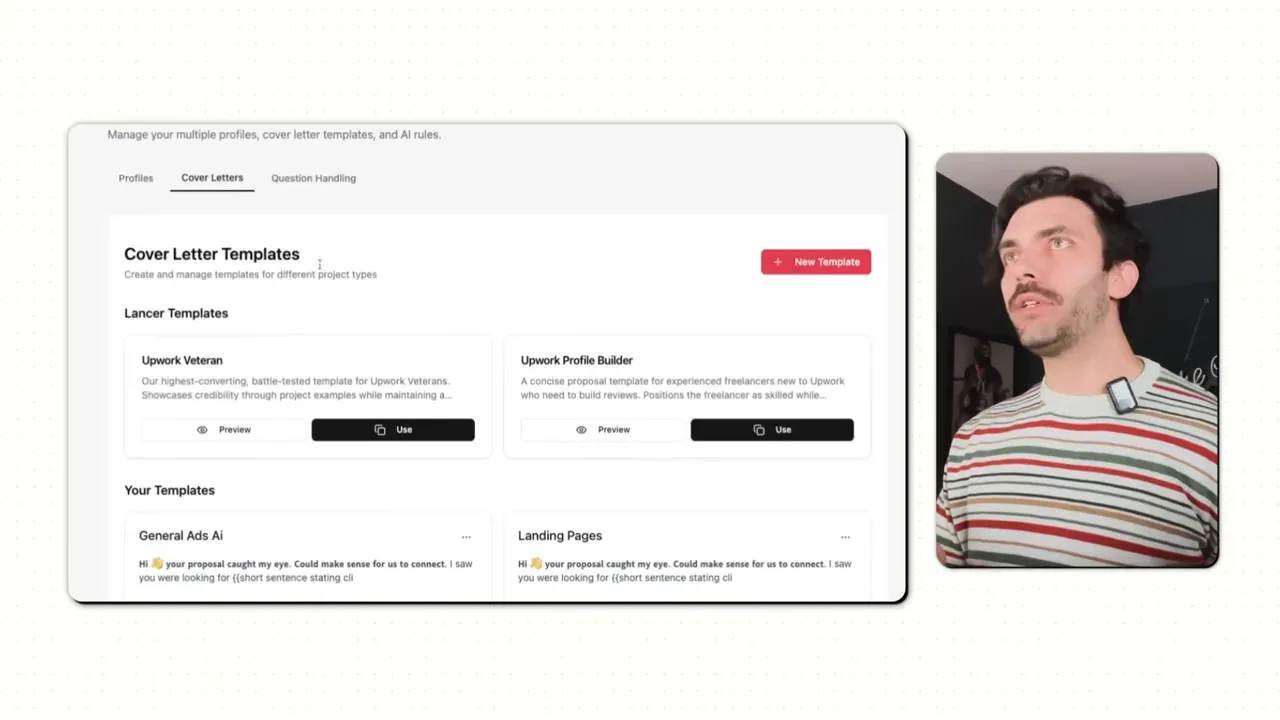
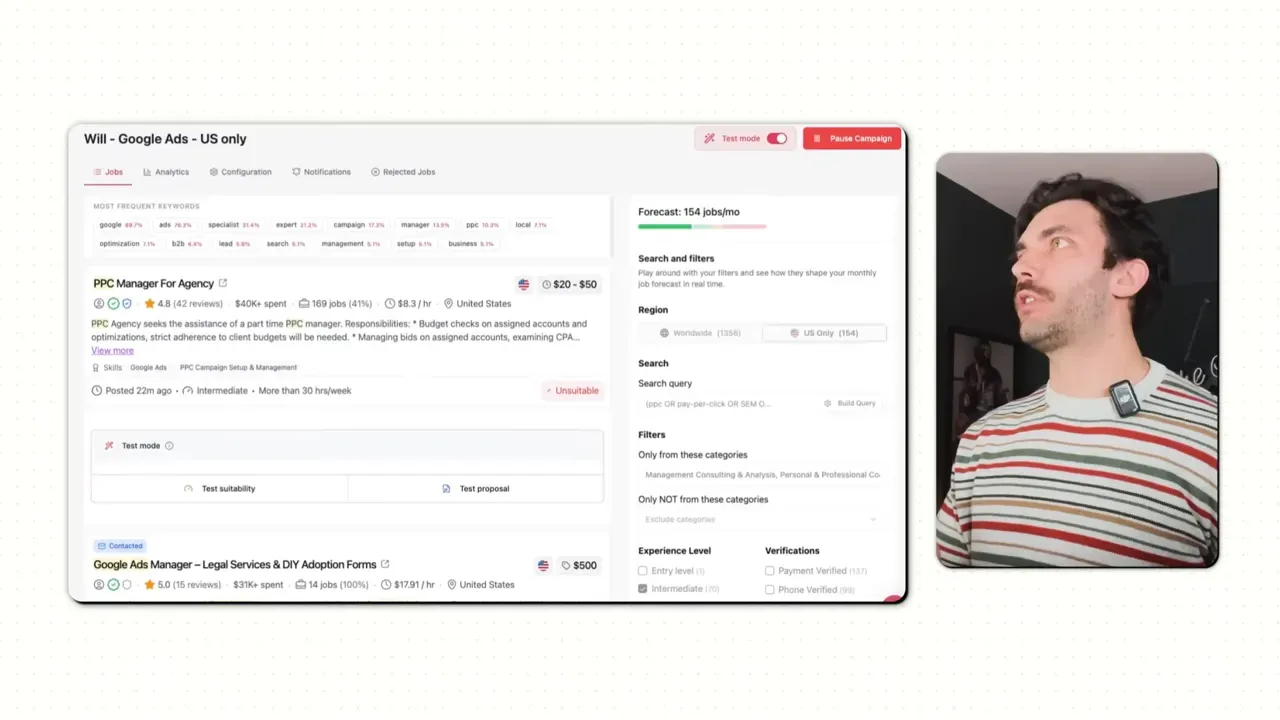
Onboarding collects a compact knowledge base: name, core services, specializations, tech stack, and critical constraints like projects to avoid. Users connect their Upwork account, create campaigns with search queries, preview how the agent would evaluate a job in sandbox mode, then start the campaign. From there the agent runs autonomously and managers track performance in the dashboard.
📈 Distribution: connectors, not cold ads
The single most actionable insight here is how Ivan found customers. Instead of spending money chasing freelancers directly with ads or blasting hundreds of cold emails, he sold to a layer above them: Upwork coaches. He calls them connectors. These are people who already have trust, an audience of ICPs and welcome opportunities to upsell services to their students and clients.
Two connectors—two Upwork coaches—provided most of their early traction. One came from a beta user intro and then proceeded to refer clients consistently. The second required direct outreach; Ivan paid $1,000 for a call and the coach became a paying referrer.

Pat: What does your connector playbook look like?
Ivan lays out a repeatable five-step playbook. Roger rephrases it into a checklist anyone can use tonight:
- Define your ICP. Be specific: agencies doing 50–300 proposals per month, not "freelancers."
- Find the layer above them. Who already has trust and a network of these ICPs? For Upwork it was Upwork coaches; for other platforms it might be power users, community moderators, or consultants.
- Make a bespoke pitch. Research the connector, send a personalized message or a Loom demo, and explain the value clearly.
- Offer a sensible economics package. Ivan recommends 20–30% lifetime commission for fully onboarded customers; 20% for referrals. Pay upfront if the connector’s network is big and proven.
- Track and automate payouts. Use an affiliate tool to track Stripe sales and automate monthly payouts.
This approach converts selling a $300/m SaaS into a high-ticket conversation. Convince a connector and you get a pipeline, not a cold list.
Pat: How did you compensate connectors in practice?
They split commissions: 30% lifetime commission if the coach signs and onboards the client; 20% if they simply refer the lead. For outreach-heavy connectors Ivan sometimes offered upfront payments for pilot usage. Tracking and paying these connectors was automated through affiliate software.
🧭 Playbook: an executable checklist for builders
Roger strips the strategy down to a pragmatic checklist for a solo builder who wants to ship an AI agent on top of a platform:
- Pick a platform with clear public activity (Upwork, Fiverr, Etsy, Poshmark, LinkedIn).
- Map the repetitive workflow nobody enjoys — discovery, qualification, or templated communication.
- Prototype a small agent that takes a query, filters for fit, and drafts a message.
- Validate quickly with 3 beta users who can close deals.
- Identify 2–3 connectors and pitch them the product with a personalized demo and clear economics.
- Automate payouts and measurement so connectors feel the referrals are effortless.
Pat: If you were starting over, what's the exact first move?
Ivan is blunt. Start with ICP definition, then build the narrowest path to value. For him that meant targeting agencies rather than one-off freelancers, because agencies have scale, predictable needs, and lower churn. The product needed to be low-friction to onboard and provide immediate time-savings to stick.
🛠️ Tech stack and costs
Technical choices matter less than the product boundary and how the agent maps to user workflows. Still, here’s what Ivan used, because copy-pasting reasonable architecture saves time.
- TypeScript across the stack: Next.js + Node.js.
- OpenRouter for LLM API routing.
- GCP and Hetzner for hosting.
- Firestore for data storage and Elasticsearch for job querying.
- Proxy providers for safe account connections to Upwork.
- Affiliate software for tracking connectors and automating payouts.
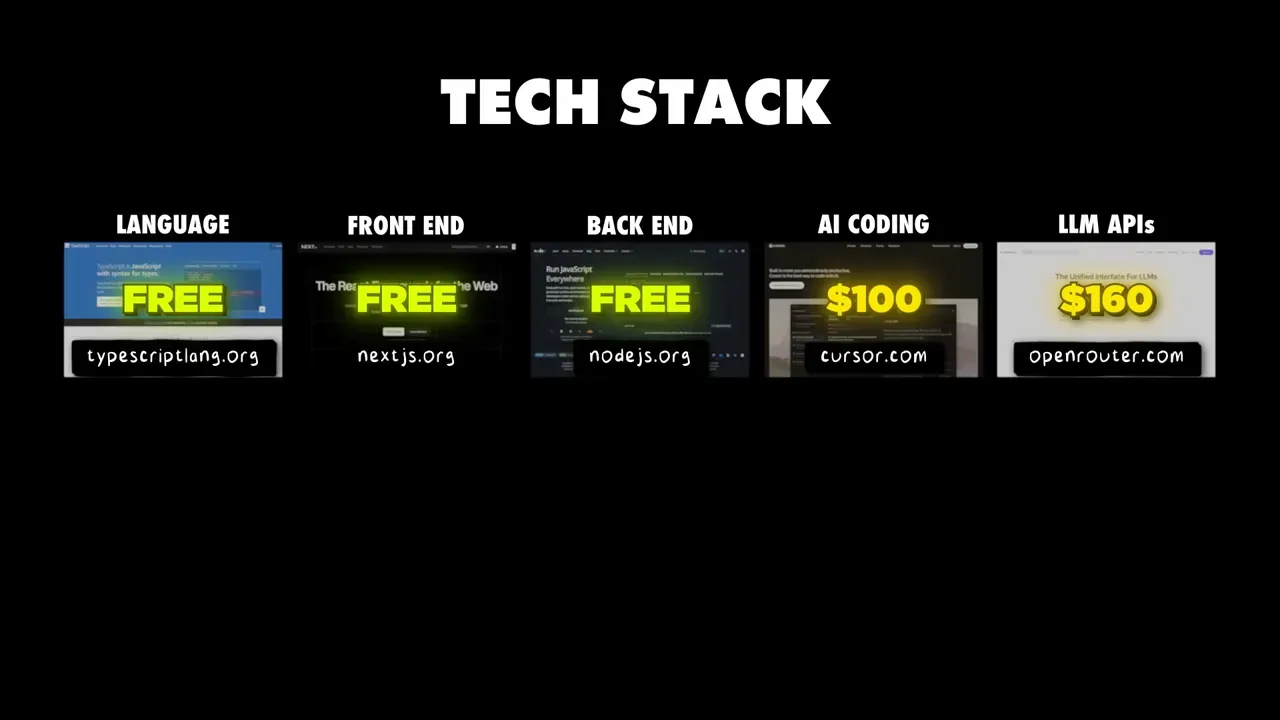
Note: Ivan mentions that in many cases they now "barely touch any actual programming language" because the core AI orchestration has moved to higher-level tools. That doesn't mean the effort is zero. Integrations, proxies, reliable scraping and safe account connection logic are nontrivial engineering work when you want production stability.
Pat: What are the main engineering risks here?
Ivan highlights three: reliable connection to platform accounts, job scraping at scale without getting throttled, and ensuring the generated proposals don't violate platform rules or appear spammy. The mitigation is conservative: sandboxing, manual review options, and a structured user knowledge base so proposals are on-brand.
🔎 Demo notes and UX details
The user-facing flow centers on a knowledge base and campaigns. The knowledge base is the product’s memory: it holds who the freelancer is, what they do, and what they avoid. Campaigns define queries and filters. Users can sandbox test how the agent qualifies jobs and drafts proposals before sending. That step reduces fear and builds trust.
Pat: Did the product actually generate clients?
Yes. During beta, early partners closed several high-value deals quickly. That was the real signal to productize. For buyers the value was obvious — recurring revenue and more time. For connectors the value was referrals they could upsell to their students and clients. The unit economics make sense because a single agency client can justify the monthly cost many times over.
🧾 Real talk: what worked, what was ugly
What worked
- Zero paid ads. Selling through connectors yielded qualified customers without audience-building.
- Targeting agencies instead of everyone. Agencies scale usage and lower churn.
- Simple pricing that maps to usage instead of fancy seat-based metrics.
What was ugly
- Account connectivity is fiddly. Proxies and scraping add engineering and operational burden.
- Manual outreach still required for high-value connectors. You will sometimes pay for a few conversations.
- Onboarding quality matters. If proposals are generic, churn happens fast.
Pat: What would you tell your younger self?
Ivan would tell himself to start building product earlier, even at the expense of immediate income security. Running a profitable dev agency taught him operational discipline but slowed product-first experimentation. The core advice is to learn product fundamentals now because the levers you master there are transferrable and highly leveraged in the AI era.
🧰 Build This Stack
- OpenRouter for LLM routing — what Ivan's team uses to call models for qualifying jobs and drafting proposals
- Next.js, Node.js and Firestore on GCP for the product itself — Lancer's actual stack, with Elasticsearch for job search
- Lovable for your first dashboard and onboarding flow — a solid alternative if you can't hand-code a Next.js front end yet
- Make.com for connector payout and referral workflows — a solid alternative to custom code (Ivan used dedicated affiliate software)
- Framer for a fast marketing site and demo page — a solid alternative while the product team stays focused on the agent
Some tools above may be affiliate links — we only list tools that fit the build.
❓ FAQ
How does Lancer actually connect to Upwork accounts safely?
They use proxy providers and account-safe integration techniques to avoid platform throttling. The product also allows sandbox testing before any automated messages are sent. This reduces risk and gives users control over what gets sent.
What pricing model works best for an agent like this?
Usage-based tiers with an "unlimited" or premium option work well. The key is aligning price with impact. Agencies that send many proposals extract obvious ROI even at higher monthly prices.
Who are the best connectors to target?
People who already advise or sell to your ICP: coaches, consultants, community leaders, or power users with active audiences. They must have trust and a direct path to buy-in from the end users.
How long until you know the product is worth productizing?
If beta users are closing meaningful deals directly because of the product within weeks, that is a strong signal. Early revenue, not just engagement metrics, is the most reliable validation.
What are realistic initial engineering costs?
Expect to spend engineering time on reliable account connections, scraping, data storage, and LLM orchestration. If you have in-house dev skills, an MVP can be built in a few months; if you outsource, plan for higher costs and longer iteration cycles.
Can this approach be applied to platforms other than Upwork?
Yes. The pattern is platform + repetitive workflow + connectors. Look for marketplaces or tools where work is posted publicly and repetitive actions are costly in time. Then find the layer above the users who can introduce your product.
What tools do you need to build an AI agent SaaS like Lancer?
Ivan's team built Lancer with TypeScript (Next.js and Node.js), OpenRouter for LLM routing, Firestore and Elasticsearch for data, and proxy providers for safe Upwork connections. If you're earlier on, Lovable is a solid alternative for prototyping the dashboard, and Make.com can run referral and payout workflows before you write custom code.
🔚 Final thoughts — remix this playbook
Ivan’s path is not miraculous. It’s tactical and replicable. Ship a narrow agent that replaces a boring, time-consuming workflow on a platform where users are visible. Sell through connectors who already own the attention of those users. Automate the operations and payouts so referrals feel effortless.
For solo builders who want to launch an AI agent business: start with the ICP, build the absolute minimum LLM scaffolding to prove value, then recruit one or two connectors to scale distribution. The rest is iteration.
Roger would add the usual: avoid shiny features until the core loop sticks. If the agent saves users real hours and those users can quantify the ROI, you've got product—everything else is execution.
This article was inspired by this amazing video I Built a $10K/Month AI Agent. Check out more from their awesome channel.