
Breakdown: Cedric Roberge, the College Founder Behind a $30K/Month App Built on a Trend
Cedric Roberge spotted a trend on TikTok, built Pep AI in two weeks with AI tools, and lined up niche creators before launch. Here's the playbook.

Most people overcomplicate the hunt for a startup idea. They make spreadsheets, read think pieces, buy another course, and somehow end up with a doc called “SaaS Ideas Final Final V2.” Cedric Roberge did something much simpler. He noticed a topic blowing up online, found a gap in the App Store, built fast with AI tools, and turned that into real revenue.
That is why this story matters. It is not just about one app doing well. It is about what a fast, AI-assisted launch can look like when someone runs it with speed, focus, and a distribution plan. Cedric is a college student, not a giant team with a venture round and twelve Slack channels. In roughly seven weeks, his app Pep AI reached more than $50,000 in total revenue, with about $33,000 in the last 28 days and nearly 2,000 active subscriptions.
The interesting part is not “AI changes everything,” because everyone says that now. The interesting part is the operating model underneath it:
- spot a trend early
- validate demand with existing behavior
- read competitor reviews like free product research
- build quickly with AI
- line up distribution before launch
Simple. Not easy. But very testable.
Table of Contents
- 🧠 The Setup: What Cedric Built and Why It Worked
- 🔎 Finding the Idea: Social Media as a Research Tool, Not a Time Sink
- 🛠️ The Build: Fast, AI-Assisted, and Slightly Annoying at the App Store Gate
- 📈 The Real Edge: Validation Before Launch, Not After Regret
- 📣 Growth: Why Distribution Mattered More Than the Product
- 📱 Product Walkthrough: Why the App Stayed Simple
- ⚙️ What Solo Builders Should Steal From This Playbook
- 🧱 The Real Talk: What This Story Actually Proves
- 🧰 Build This Stack
- ❓FAQ
- 🏁 Final Takeaway
🧠 The Setup: What Cedric Built and Why It Worked
What is Pep AI?
Pep AI is an app built around peptide tracking and education. The core promise is safety and organization. People using peptides often need help understanding dosage, tracking injections, remembering injection sites, and learning what different peptides are used for.
The app includes a few key functions:
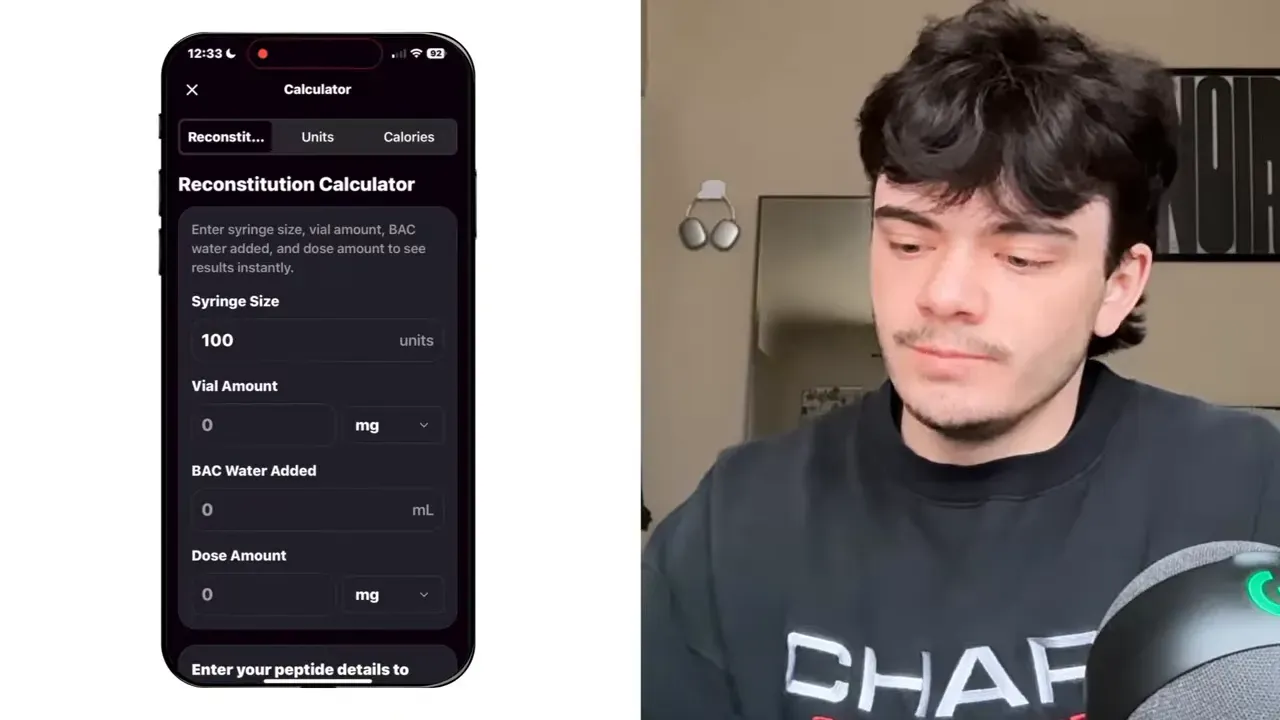
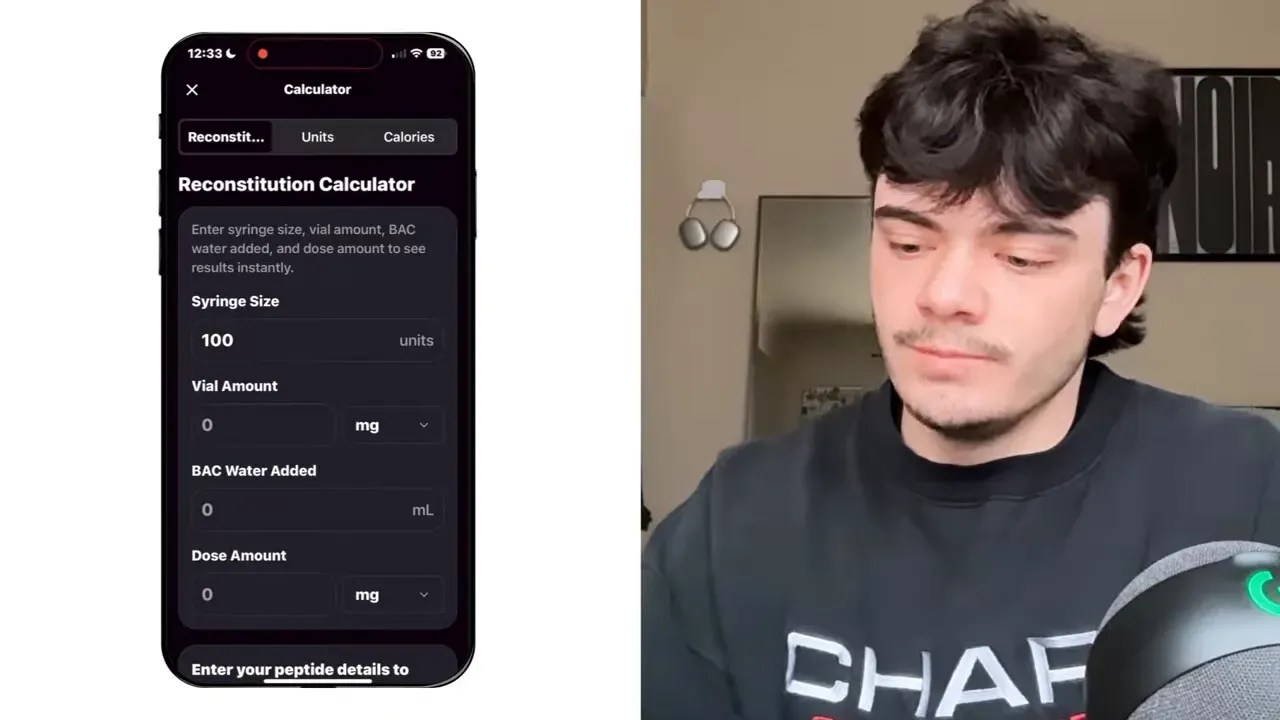
- Peptide calculator to figure out how many units to pull based on vial amount, water added, and desired dosage
- Dose logging so people can track what they took and when
- Injection site tracking to avoid using the same spot repeatedly
- Research library with overviews, explanations, and source material from PubMed
- Quiz-style learning with a Duolingo-like feel
- Lifestyle tools like meal scanning, nutrition tracking, weight logging, Apple Health integration, and progress photos
It is a narrow product for a specific audience. That is part of why it worked. Cedric’s earlier app was a student marketplace for the University of Oregon. It got around 800 users, but did not make money. Useful lesson there: broad, two-sided marketplaces are hard. A focused utility app for an audience already looking for help is a very different game.
What kind of revenue did it reach?
Fast growth made the story stand out, but the numbers were not vague internet math. Cedric shared that the app had reached:
- $51,000 total revenue
- $33,000 in the last 28 days
- Nearly 2,000 active subscriptions
- $11,000 MRR
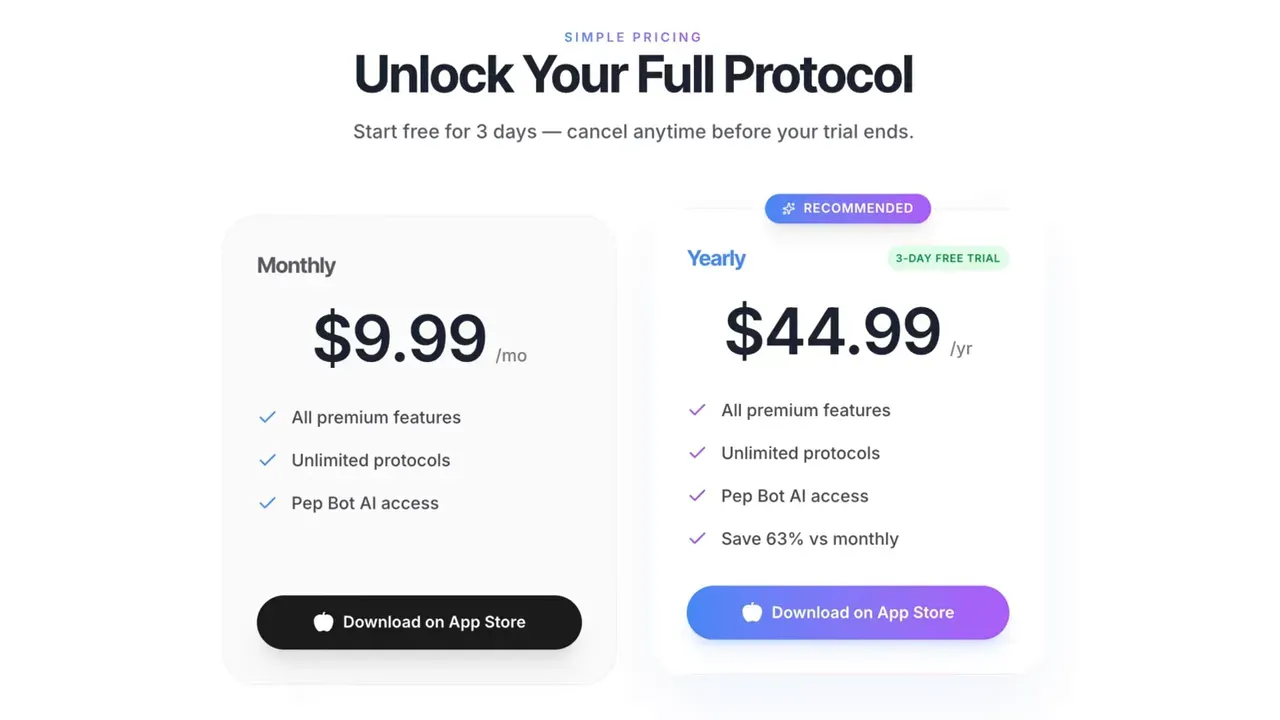
The pricing was straightforward:
- $10 monthly subscription
- $45 yearly subscription
- 3-day free trial
Nothing exotic. No pricing PhD required. Just a clear offer tied to a concrete use case.
🔎 Finding the Idea: Social Media as a Research Tool, Not a Time Sink
How did Cedric find the peptide niche?
Not through a 90-page market report. One of his roommates mentioned peptides. Then the topic showed up on his TikTok feed. He looked into it and realized something important: peptides were suddenly everywhere online, but there was not a strong, successful app built around helping people use them more safely.
That sequence matters.
- someone in real life brought it up
- the algorithm confirmed growing interest
- the App Store had weak competition
That is usually enough to justify a serious look.
Instead of asking, “What startup should I build?” Cedric asked a better question: What are people already becoming obsessed with, and what tool is obviously missing?
How can someone spot ideas like this?
Cedric’s advice was blunt: spend time on social platforms with intent. Not doomscrolling. Pattern spotting.
He looks for:
- topics multiple creators keep mentioning
- phrases or products that seem to appear out of nowhere
- communities forming around a behavior, identity, or niche interest
- a missing tool, tracker, or educational layer around that trend
He gave another example from social media: looksmaxxing. That trend led someone to build an app where people upload a photo and get suggestions on how to improve their appearance. Whether anyone likes that trend is beside the point. The lesson is that trends create demand for tools.
This is where an AI-assisted launch becomes practical, not theoretical. AI lowers the build cost. Social media lowers the research cost. Together, they make it possible for a solo founder to test trend-based products quickly.
🛠️ The Build: Fast, AI-Assisted, and Slightly Annoying at the App Store Gate
How long did it take to build the app?
About two weeks.
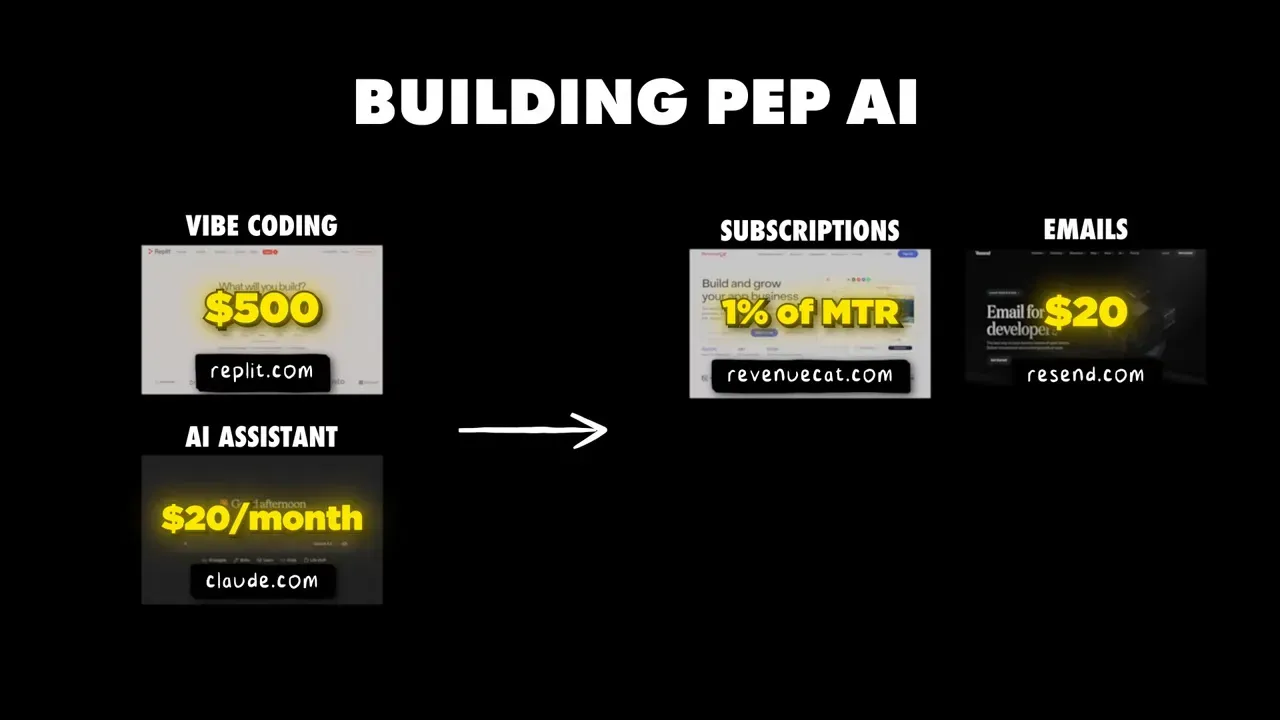
Cedric used:
- Replit for building
- Claude as a kind of AI senior developer and setup guide
- Firebase for backend and user data
- RevenueCat for subscriptions
- Resend for email
That is a pretty modern solo builder tech stack. No giant engineering team. No six-month roadmap. Just enough tools to ship.
His process was simple: explain what he wanted, let the tools generate the base implementation, and use Claude to troubleshoot pieces he did not know how to wire up manually.
That last part is important. AI did not replace judgment. It accelerated execution. Cedric still needed to know what to build, what mattered to users, and how to prioritize features. The machines can write code. They cannot decide whether a niche is worth entering or whether a feature belongs in version one.
What was the hardest part?
Not coding. Apple approval.
Because the app touches a medically adjacent category, Apple rejected it multiple times. The issue was not that the app existed. The issue was how certain features could be interpreted as giving medical advice.
Cedric had to:
- rework positioning and wording
- study how similar apps handled sensitive topics
- iterate through review feedback
- use expedited review requests when possible
The approval process took roughly a week of back and forth. Useful reminder: with modern AI coding help, building is often the fast part. Compliance, platform rules, and app review are where the friction lives.
📈 The Real Edge: Validation Before Launch, Not After Regret
How did Cedric validate demand?
He did not just trust the vibe. He checked for proof.
First, he studied the small number of existing peptide apps. Not to copy them lazily, but to mine them for evidence. He went through reviews to find:
- what users liked
- what annoyed them
- what features they wished existed
- what those apps failed to explain clearly
Then he fed that research into AI tools to shape a stronger product concept.
This is one of the most useful tactics in the whole story. Competitor reviews are basically public product consulting. People tell you exactly where the current options fail them. That is not glamorous, but it is effective.
What step-by-step process did he recommend for finding another winning idea?
Cedric’s framework was surprisingly clean.
- Live on social media with purpose. Look for what people are suddenly obsessed with.
- Check whether apps already exist. A few competitors can be a good sign because demand is already partially validated.
- Read every review you can find. Look for patterns in complaints, requests, and praise.
- Use AI to synthesize the insight. Turn messy feedback into a feature plan and product angle.
- Line up marketing before launch. If distribution is unclear, do not build yet.
That last point is where a lot of builders conveniently go blind. They can imagine the feature set in great detail, but get mysteriously quiet when asked how the thing will actually reach users.
📣 Growth: Why Distribution Mattered More Than the Product
What role did influencer marketing play?
A huge one.
Before launching, Cedric reached out to people in the niche and got some early posts made to test interest. He also made Reddit posts and built a waitlist of around 300 people before the app officially launched.
That meant he was not launching into silence, which is the default setting for most products.
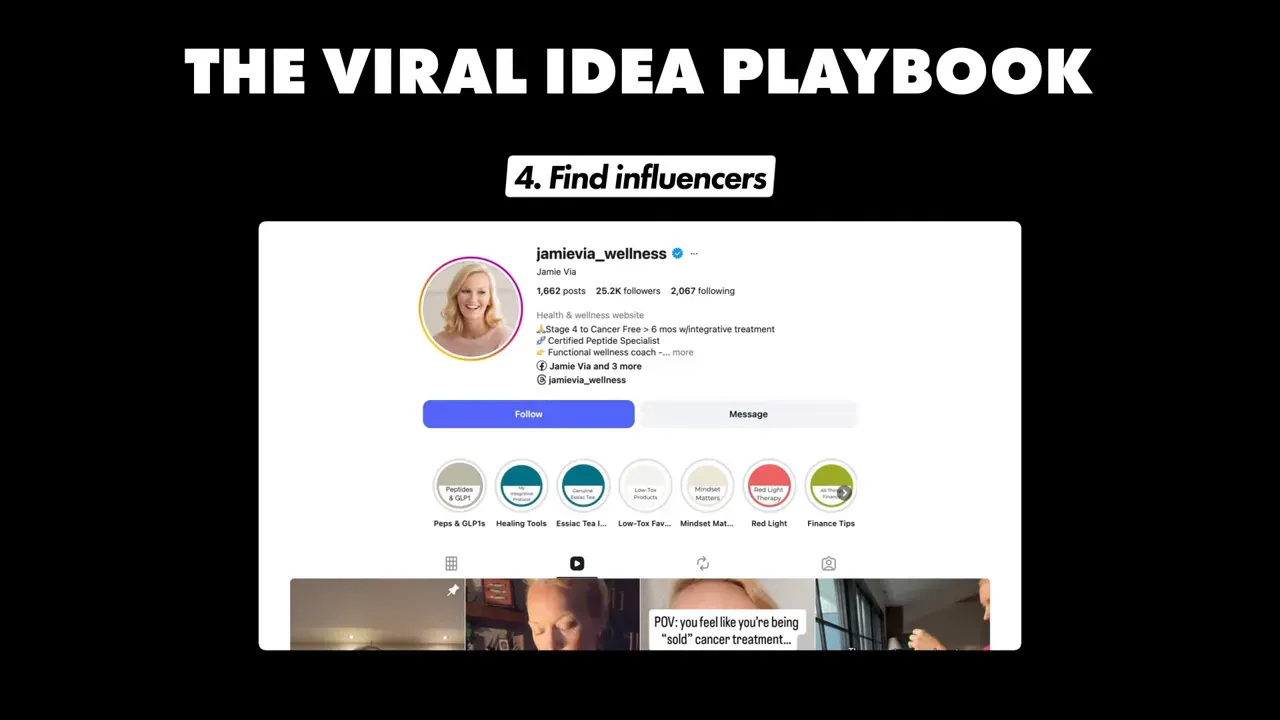
The influencer side was especially powerful because the niche was early. In fast-growing categories, creators often have more influence than they realize, and their audiences trust them intensely. Cedric noticed this from his own behavior. When he first got interested in peptides, he trusted the people posting about them. So if one of those creators recommended a specific app, he knew users would take that seriously.
The results backed that up:
- one Instagram story post generated around $1,000 in revenue
- a later post with around 50,000 views drove roughly $4,000 in a day
- he estimated the total impact from that creator at more than $10,000
That is the sort of result people usually pretend comes from “organic growth” after forgetting to mention the part where they seeded the market through trusted niche creators.
Why did the trend help with App Store growth too?
Because growing trends create search demand.
When a topic catches on, people start searching for tools related to it. If there are not many strong apps yet, the first decent product can pick up a lot of traffic just by existing in the right category with the right name.
That happened here. Cedric mentioned that after other copycat apps started appearing and after posts on X helped drive interest in the phrase “peptide AI,” Pep AI benefited by already ranking near the top in search results.
This is the compounding advantage of moving early:
- you get the first wave of users
- you collect reviews earlier
- you gain App Store ranking benefits
- late entrants end up helping validate the category you already occupy
It is one of the cleanest examples of what happens when you ship into a trend before the market gets crowded.
📱 Product Walkthrough: Why the App Stayed Simple
What made the product useful instead of just trendy?
The app was not just “AI for peptides” as a slogan. It solved recurring, practical tasks.
Users could:
- calculate dosage accurately
- log doses over time
- track injection locations
- read structured educational content
- explore source-backed research
- track health and lifestyle progress around usage
That matters because trend apps die when they are built as novelty wrappers. Pep AI had trend leverage, but it also had utility. It gave people a reason to subscribe after the curiosity wore off.
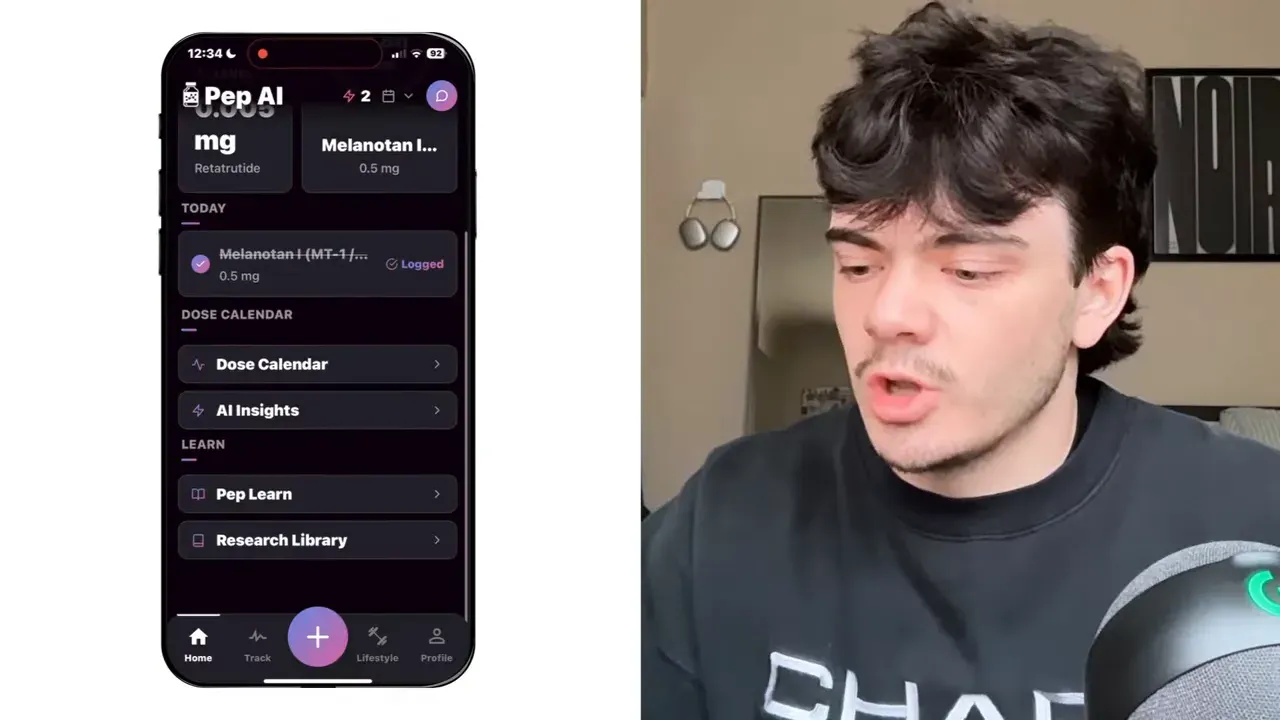
And notably, the feature set was still simple enough to build quickly. This is another useful constraint for founders building with AI: the product should be narrow enough to ship in days or weeks, but useful enough to become part of a real routine.
⚙️ What Solo Builders Should Steal From This Playbook
If someone wanted to repeat this model, what should they actually do tonight?
Borrow the process, not the niche.
A practical version looks like this:
- Open TikTok or Instagram and look for repeated signals.
Not one viral post. A cluster of creators talking about the same thing. - Search the App Store immediately.
See whether the category has weak, outdated, or confusing apps. - Read reviews like a detective.
Collect complaints, missing features, and user language. - Ask AI to summarize the opportunity.
Have it group pain points, propose features, and suggest positioning. - Build the smallest version that solves one repeated problem.
- Find niche creators before launch.
If no one can help distribute it, rethink the idea. - Get a waitlist or pre-launch interest signal.
Even 100 to 300 interested people is a useful sign.
This is not magic. It is just disciplined pattern recognition plus fast execution. The tools are finally cheap enough that one motivated person can do the whole thing without hiring a full team.
What was Cedric’s biggest belief about building apps?
That marketing matters more than product quality if nobody knows the product exists.
He was pretty direct about it. If there is no real plan for distribution, he does not think the app is worth building. That advice came from other successful founders he had studied, and his own results reinforced it.
It also lines up with an old founder truth: first-time founders obsess over product, second-time founders obsess over distribution.
Harsh, but accurate.
🧱 The Real Talk: What This Story Actually Proves
Was this luck?
Partly timing, yes. But not random luck.
Cedric moved because he knew where to look. He had already built once before. He had enough context to recognize that his first app taught him the wrong model for monetization and that a specific niche would be better. Then he combined that lesson with a faster build process and a stronger marketing plan.
That is not luck. That is iteration compressing into one good decision.
Would this work again in another niche?
Potentially, yes, if the same ingredients exist:
- a rising trend
- clear user pain
- weak or outdated app competition
- a simple product wedge
- a reachable distribution channel
What probably would not work is copying the exact category after it becomes crowded, or building a bloated app with no specific use case and calling it innovation.
That road is full of AI wrappers with nice gradients and no retention.
What was Cedric’s advice to his earlier self?
Never give up on himself.
That sounds generic until the context makes it less generic. He talked about friends making fun of his app ideas, even this one. He still kept going because he had a clear picture of what he wanted to build and where he wanted to take it. He wants Pep AI to become a $1 million per month app, and whether or not that happens, the useful part is the operating mindset: keep shipping until something clicks.
Not in a fake hustle-post way. In the very practical sense that if the first app teaches you what not to build, it did its job.
🧰 Build This Stack
Cedric's own tools come first. The last two are solid alternatives, not part of his build.
- Replit and Claude for building the app — Cedric's setup, with Claude acting as a senior-dev sidekick.
- Firebase for the backend and user data — his pick.
- RevenueCat for subscriptions and the free trial — also his.
- Lovable as an AI app builder — a solid alternative to Replit for getting a first version running.
- Framer for your app landing page and waitlist — a solid alternative for collecting signups before launch.
Some tools above may be affiliate links — we only list tools that fit the build.
❓FAQ
How did Cedric Roberge find the idea for Pep AI?
He noticed peptides coming up both in real life and on social media, then checked the App Store and found there was no standout app helping people track and learn about peptides safely.
How long did it take to build the app?
The app was built in about two weeks using Replit, Claude, Firebase, RevenueCat, and Resend. Apple approval added about another week of back and forth.
How much revenue did Pep AI make?
Cedric shared that the app reached about $51,000 in total revenue in roughly seven weeks, with around $33,000 in the last 28 days and nearly 2,000 active subscriptions.
What pricing model did the app use?
Pep AI offered a $10 monthly subscription and a $45 yearly subscription, both supported by a 3-day free trial.
What is the biggest lesson from this app launch?
The biggest lesson is that distribution and timing matter as much as building. Cedric found a growing trend, validated demand, built quickly with AI, and secured influencer-driven traction before and after launch.
Why is this a useful example for solo app builders?
Because it shows how one person can combine trend research, AI-assisted development, lightweight infrastructure, and niche marketing into a practical system for launching a revenue-generating app without a large team.
What tools do you need to build a niche subscription app like Pep AI?
Cedric shipped Pep AI with Replit and Claude for the build, Firebase for the backend, RevenueCat for subscriptions and Resend for email. The tools were the cheap part; the work that mattered was validating demand through competitor reviews and lining up niche creators before launch.
🏁 Final Takeaway
The cleanest takeaway here is not “build an app about peptides.” It is this: move on a niche before everyone else realizes it is a niche. Social feeds are noisy, but they are also early-warning systems. Reviews are messy, but they are also free product strategy. AI tools are imperfect, but they are good enough to get something live.
And once something is live, the game gets real. That is where distribution, trust, and speed start mattering more than cleverness.
Cedric’s story is useful because it is repeatable in structure even if the exact trend is not. Find something growing. Confirm the gap. Build the obvious tool. Get it in front of the right people. Then keep going, even if half the room thinks the idea sounds ridiculous.
That last part, unfortunately, still does not have a software shortcut.
This article was inspired by this amazing video Zero to $30K/Month App in 35 Days. Check out more from their awesome channel.