
Interview with Nevo, builder of Postiz — an open source SaaS that reached $17K/month

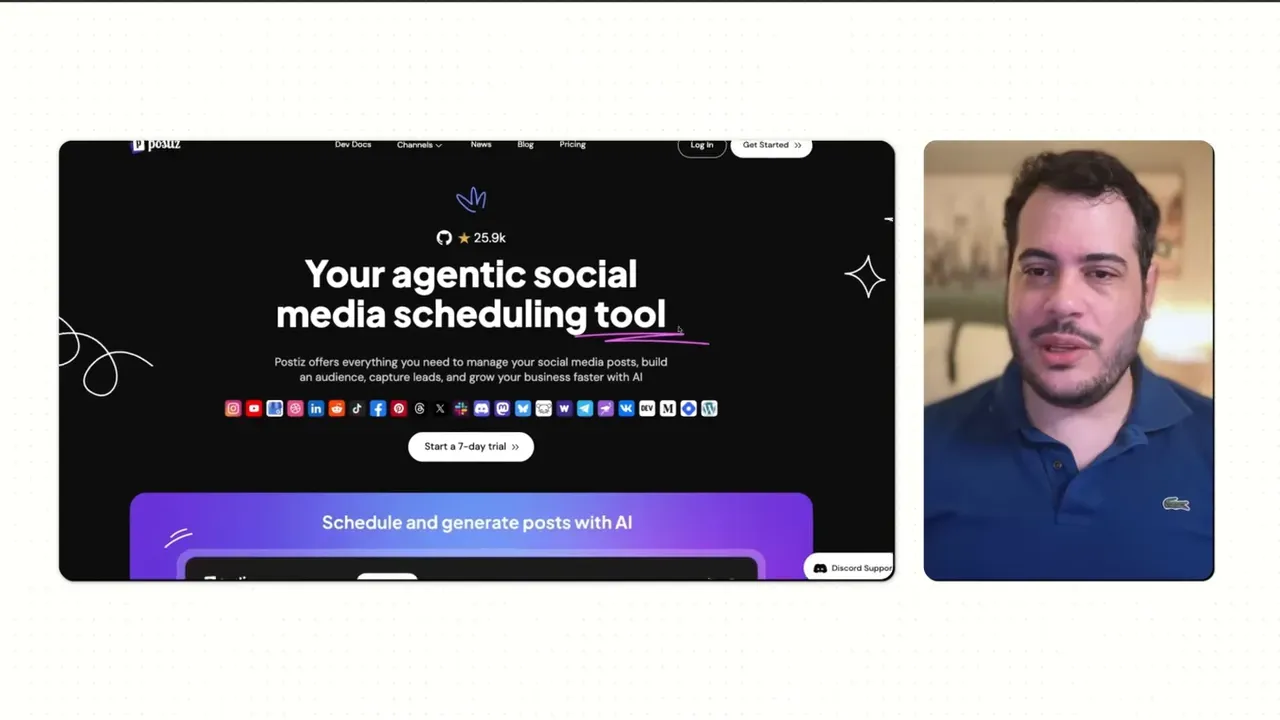
Table of Contents
- 🔑 Why open source is the distribution hack solo builders need
- 🚦 Quick snapshot: what Postiz actually is
- 🧭 The one mindset that changes everything
- 🛠 The Open Source Playbook (step-by-step)
- 📣 Where to post (channels that actually convert)
- ⚙️ Tech stack and monthly operating picture
- 🧩 How Postiz monetizes (and where the real money sits)
- 🕒 A 90-minute checklist: what to do tonight
- 🧾 Real talk — what works and what doesn’t
- ⚡ Final blueprint — what to test first
- 📚 FAQ
- 🛩 Closing note
🔑 Why open source is the distribution hack solo builders need
Open source is not just a licensing choice. It is a distribution strategy. In a market where AI can generate code on demand and dozens of SaaS competitors launch every week, code itself is commoditized. What matters is reach and trust. Nevo turned an open source social scheduler into a revenue-generating SaaS by treating his repository as a marketing asset.
This piece distills the playbook he used: how to make GitHub function as a landing page, how to trigger GitHub trending, where to post (Hacker News, Reddit, Lemmy, Dev.to), and the simple monetization paths that actually pay the bills—self-hosting, enterprise support, and cloud subscriptions. The goal here is practical: build an AI-powered launch system for creators that trades hype for repeatable distribution moves.
🚦 Quick snapshot: what Postiz actually is
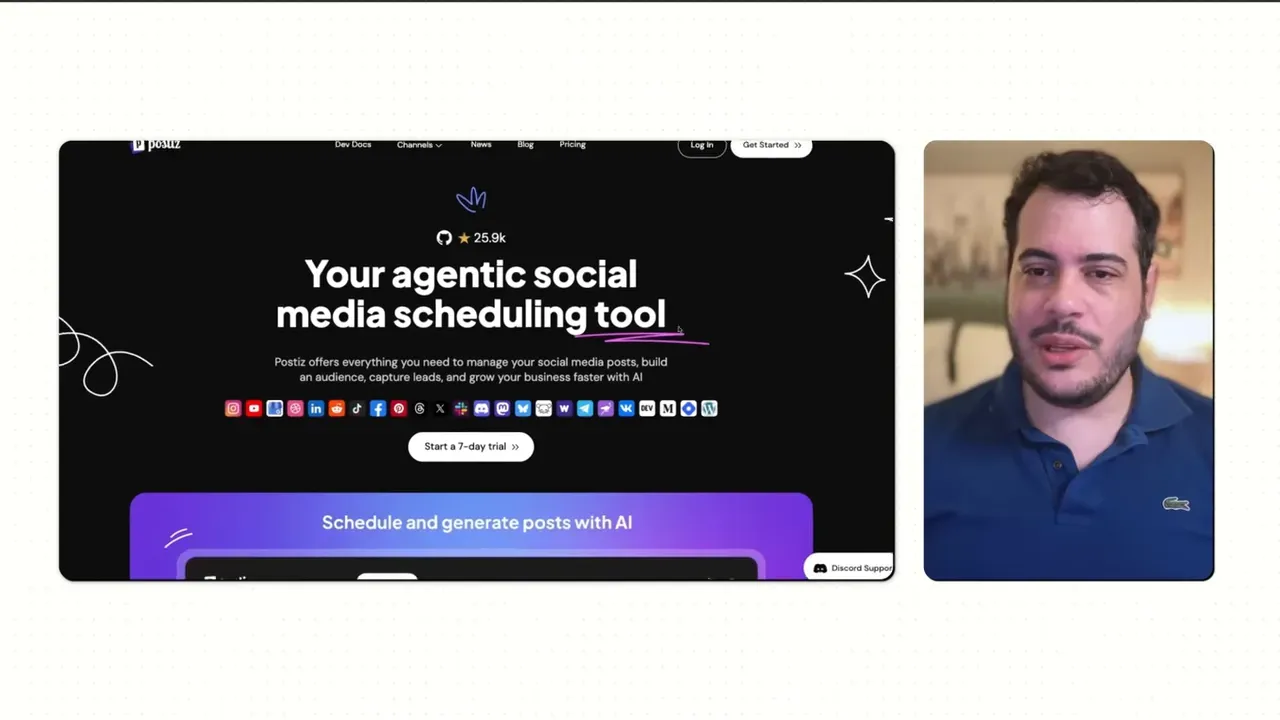
Postiz is an open source social media scheduler that supports 25 platforms, pairs AI utilities with publishing features, and offers parity between the cloud (paid SaaS) and a self-hosted version. The cloud product is a classic tiered SaaS (Standard, Team, Pro, Ultimate) and the open source repo is the same codebase made available for anyone to self-deploy.
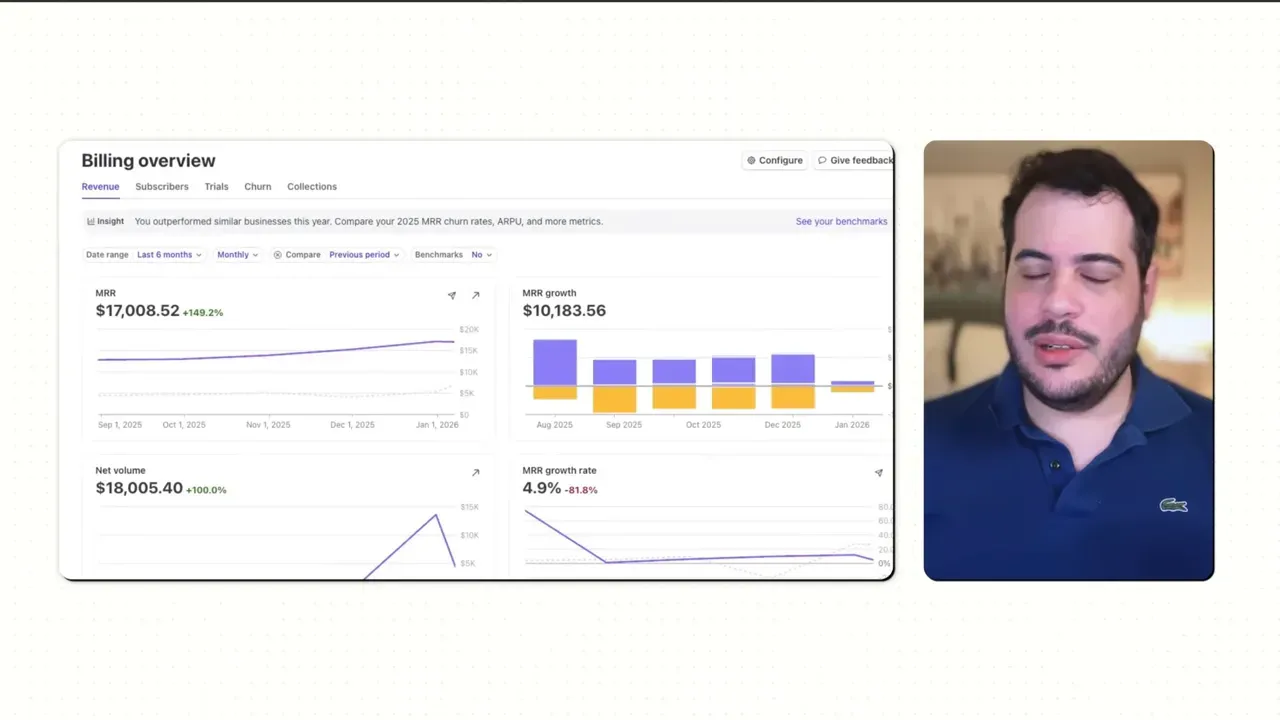
Key numbers Nevo shared: roughly $17,000 in MRR, about 472 paying subscribers, a trial-to-conversion rate around 21 percent, and a churn the team is actively reducing (circa 19 percent). The project also leveraged broad visibility on GitHub and other channels—tens of thousands of stars and many organic references across blogs and social posts.
🧭 The one mindset that changes everything
Nevo's blunt advice: if you can build something, make it open source. Not because you expect every developer to pay, but because developers become the amplifier. They test, they write tutorials, they drop screenshots into Slack channels, they create SEO signals, and they build brand credibility for non-developers who visit the repo and see a living project.
The revenue logic is straightforward. Developers rarely pay directly. They self-host. But enterprises need hosted options and support. That’s where the money lives—on-prem installs, white-glove onboarding, and support contracts. Open source serves as the top of the funnel; the paid cloud or premium enterprise services become the conversion engine.
🛠 The Open Source Playbook (step-by-step)
This is the tactical sequence Nevo runs. It is designed so a small team or solo builder can execute it in a single week to maximize the chance of getting into GitHub trending and driving real engagement.
- Treat GitHub like your landing page.
- Write a laser-clear README. Make the first 3 lines sell the product: what it is, who it’s for, and one gif or screenshot showing the product in action.
- Add a concise “open source alternative to X” line if relevant. Context helps people instantly understand the angle.
- Pick the license deliberately.
- MIT or Apache 2 if you want permissive usage. AGPL if you want copyleft-style protection. Know the tradeoffs.
- Create contributor-friendly issues.
- Seed the repo with labeled issues that are easy to pick up. Use tags like good-first-issue and enhancement and include reproduction steps and expected outcomes.
- Developers arriving at your repo shouldn't have to guess what to work on.
- Make deployment trivial.
- Provide a Docker image and a one-command self-host guide. If cloning and running takes more than 30 minutes, most users churn.
- Publish clear developer docs and a "deploy to" quickstart (Docker Compose or a single script).
- Open a community hub.
- Set up a Discord or other chat where contributors can ask questions and share PRs. Low-friction support builds trust.
- Prepare the launch channels ahead of time.
- Create accounts and build a minimal presence on Hacker News, Reddit, Lemmy, and Dev.to / Medium.
- Start generating a small history of activity to avoid your first posts being filtered.
- Write 1–3 long-form posts focused on people who find tools via articles.
- Publish on Dev.to, Medium, HackerNoon. Aim for Google Discover traction by choosing a strong title and cover image.
- Launch week: concentrate traffic in the same 7-day window.
- Post on Hacker News (Show HN + link to GitHub), Reddit (/r/selfhosted is particularly friendly to open source), Lemmy instances, and cross-post to niche subs.
- Ask politely for stars, be humble, and write like a human—use "I" not "we" to sound authentic.
Do these actions in the same week. The concentrated velocity moves algorithms and human attention. Trending on GitHub produces a self-reinforcing loop of stars, forks, and contributions.
📣 Where to post (channels that actually convert)
- Hacker News — Show HN linking to GitHub (not the marketing site).
- /r/selfhosted — best subreddit for projects you can self-deploy.
- Lemmy — underrated for open source; posts often get high engagement.
- Dev.to, Medium, HackerNoon — for SEO and Google Discover traffic.
- Your existing channels — X, LinkedIn, newsletter — funnel to GitHub during launch week.
⚙️ Tech stack and monthly operating picture
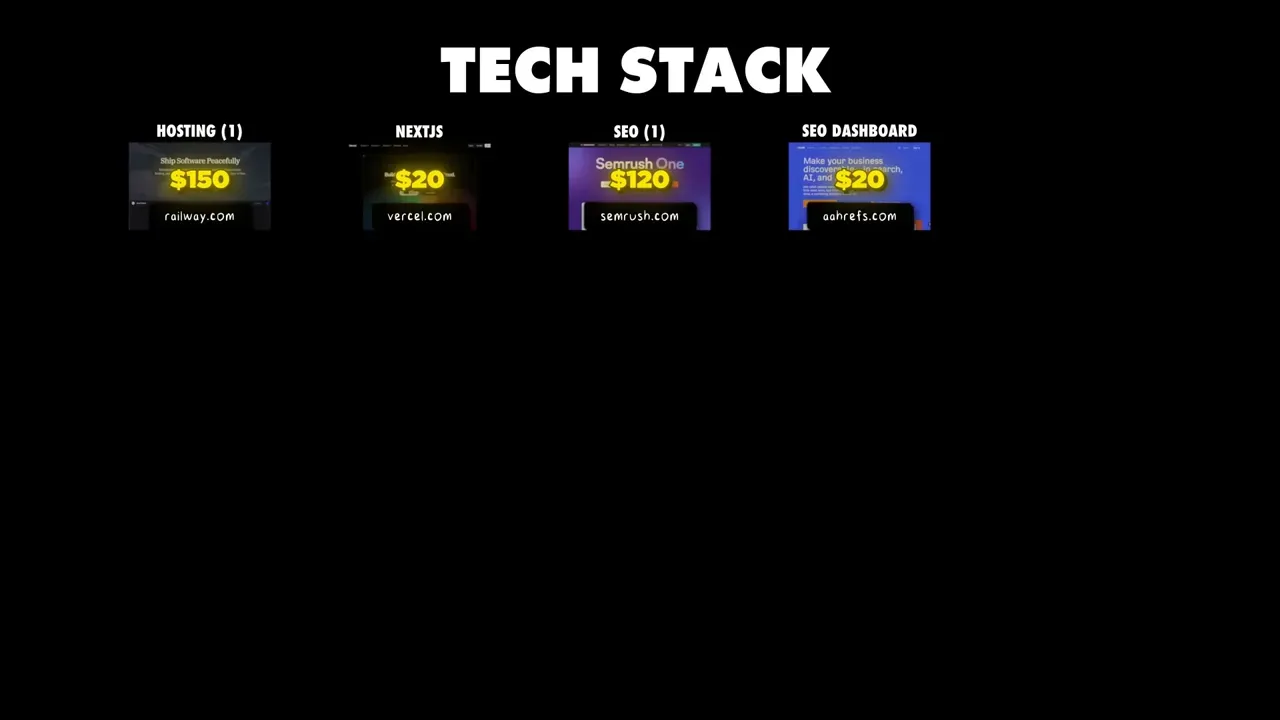
Nevo keeps the stack lean and cost-aware. The heavy lift is reliability for media conversions and publishing. Here's the practical list of what runs Postiz and why:
- Railway for backend hosting — simple deployment and integration.
- Vercel for the Next.js marketing site; backend APIs remain on Railway.
- Cloudflare R2 for object storage and resiliency.
- Transloadit for media conversions — this is an unavoidable cost if you post video to multiple platforms, and Nevo pays about $600/month to avoid failed posts.
- Semrush and Outrent for SEO execution — one SEO article per day keeps the organic funnel healthy.
- Plausible for lightweight analytics, Beehiiv (Beehi v headless) for newsletters, and Discord for free support.
- GitHub Actions for CI and Docker builds, Sentry for errors, GitHub Copilot leveraged because the project is open source.
Margins sit roughly around 80 percent once hosting and tooling are managed. The largest line item is media conversion reliability. If your product involves video or heavy assets, expect the same.
🧩 How Postiz monetizes (and where the real money sits)
Postiz runs like a classic freemium/open-source funnel: the repo acts as the free tier for developers and hobbyists. Monetization comes from:
- Cloud subscriptions for teams and agencies who prefer zero ops.
- Upsells to higher tiers based on features and scale, not only channel count.
- Enterprise self-hosting contracts with support SLAs and onboarding.
Nevo emphasizes: don’t be scared of competitors copying the code. Someone can fork, but brand recognition and momentum matter. The original project maintains an advantage if the author invests in community and consistent releases.
🕒 A 90-minute checklist: what to do tonight
This is a lightweight, tactical checklist for the solo builder who wants to test the open source distribution concept fast.
- Initialize a public GitHub repo and write a README with a single screenshot/gif and the one-line value proposition.
- Add a license file (decide MIT vs Apache vs AGPL).
- Create Dockerfile and a one-command docker-compose up quickstart.
- Seed 6 labeled issues: three "good-first-issue" and three feature enhancements with reproduction steps.
- Open a Discord or Matrix room and add a link to your README.
- Draft one Dev.to article titled "How I built an open source alternative to X" and prepare one cover image optimized for Google Discover.
- Create Hacker News and Reddit accounts; do small interactions for two weeks so posts aren’t filtered.
Do the above tonight. If you add the launch steps and schedule them in the same week, you will get the unequaled benefit of concentrated discovery.
🧾 Real talk — what works and what doesn’t
Nevo is pragmatic. Contributions don’t always make you strictly more productive, but they provide fast feedback, bug fixes, and community advocacy. Developers amplify your brand; that amplification is what converts non-developers into paying customers.
There are obvious downsides. You’ll see clones and forks. Some will try to monetize the same idea. Most of those attempts die quickly. The risk is manageable if you own the brand and keep shipping. The other risk is time: responding to compliance or security questions can drag you into paperwork. Use automation and services (like compliance platforms) to avoid drowning in forms.
His other practical advice: split your time. Spend roughly half learning traction basics—growth frameworks, positioning, and monetization—and half building. That balance prevents wasted effort and reduces the chance of spinning on a product that has poor distribution fit.
⚡ Final blueprint — what to test first
If there is one thing to test this week, it’s this funnel:
- Ship a minimal, deployable repo with a working Docker image.
- Write one "how we built it" article and post it to Dev.to and HackerNoon.
- Coordinate a Show HN and a /r/selfhosted post in the same 48 hours, link to GitHub, and cross-post to Lemmy.
- Measure stars, forks, and Discord joins. Then qualify inbound leads for enterprise interest.
This sequence uses attention velocity to push the repo into public feeds and turns developer interest into credibility. Once you own the credibility, you can sell hosting, support, and integrations.
📚 FAQ
How does open source drive paid revenue for a SaaS?
Open source creates top-of-funnel discovery, credibility, and developer advocacy. Most developers self-host, but enterprises prefer hosted solutions and support contracts. Selling cloud plans, premium features, and enterprise support is where revenue comes from.
Won't competitors copy the code and undercut me?
They can copy the code, but brand, community, and speed of iteration win. Most clones lack authorship, community, and ongoing maintenance and will fail to build momentum. Treat the repository as the brand’s public face and invest in releases and community.
Which open source license should I choose?
MIT or Apache 2 for permissive use. AGPL if you want stronger reciprocity when your code is used in networked services. Choose with legal counsel if you have enterprise ambitions, but understand that permissive licenses often accelerate adoption.
What's the single most important technical setup for open source adoption?
A deployable Docker image and a one-command quickstart. If the deployment takes too long or requires manual setup, most potential users will abandon the repo before trying it.
Where should I prioritize growth efforts after launch?
Prioritize community: keep Discord active, respond to issues, and publish regular release notes. Parallel to that, invest in SEO-driven content (how-to guides and comparisons) and targeted outreach to organizations that need self-hosted solutions.
Is open source still worth it in 2026 given AI-generated code?
Yes. AI can write code, but it cannot replicate brand, trust, active maintenance, and a community of users. Open source amplifies those human signals, which remain valuable to buyers and partners.
🛩 Closing note
Nevo’s approach is not magical. It’s methodical: make your repo irresistible for developers, concentrate attention during a launch window, and convert trust into paid services. The combination of community-driven distribution and a pragmatic SaaS funnel gives solo builders a realistic path to scale without a huge marketing budget.
If one thing should stick: treat the repo like a product landing page. Spend the time to make it clear, deployable, and easy to contribute to. The rest is execution.
This article was inspired by this amazing video How I Grew My Open Source SaaS to $17K/month. Check out more from their awesome channel.